From $0 to $2,057/Month Using Only Organic Traffic
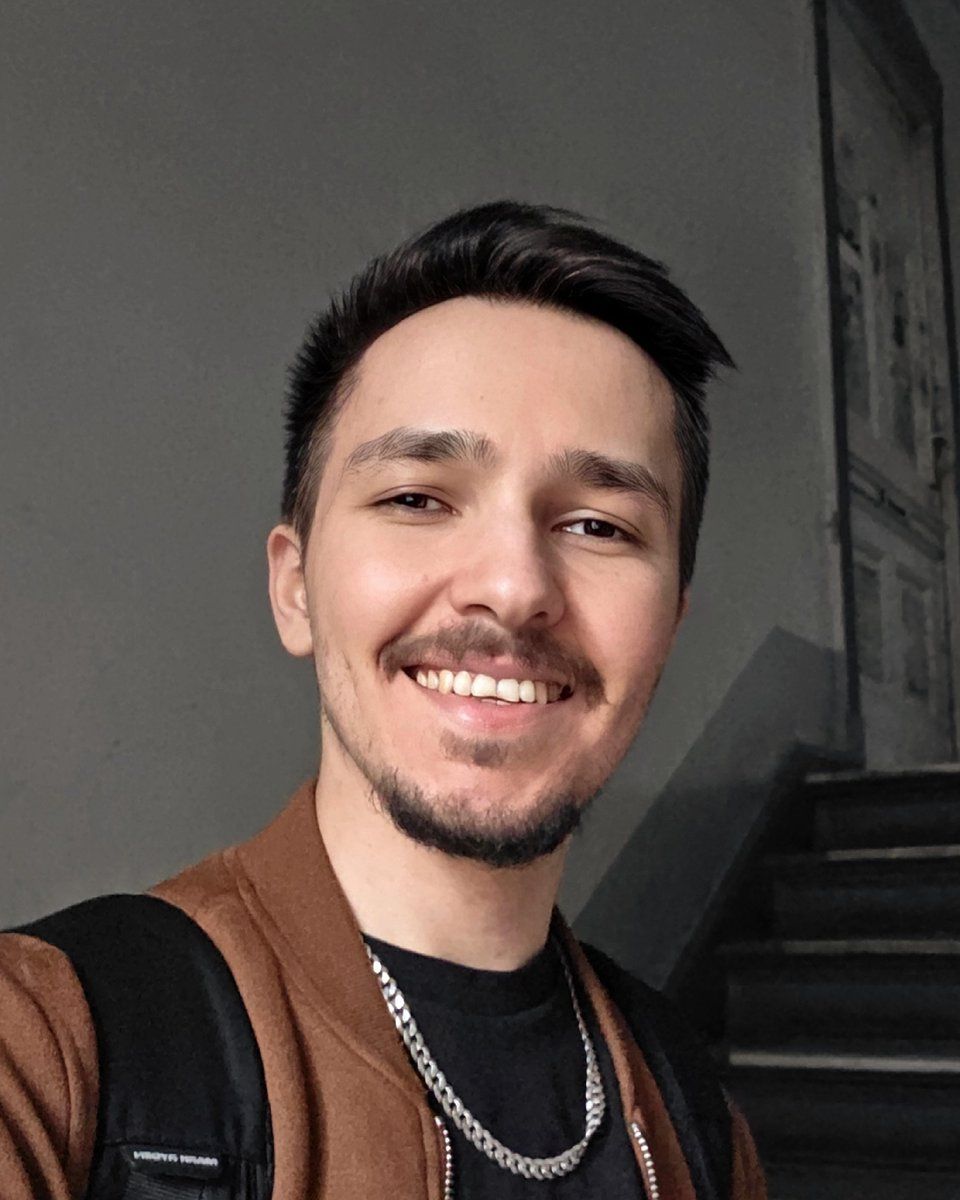
TL;DR: Berlin-based indie hacker Farid Shukurov (@hustle_fred) bootstrapped an AI-powered X (Twitter) growth tool, SupaBird, to over $2,000 in Monthly Recurring Revenue (MRR) in just nine months. By solving his own problems, launching lean, and leveraging a mix of build-in-public content, free "Trojan Horse" tools, and relentless direct user outreach, Farid built a thriving micro-SaaS portfolio generating over $150,000 in lifetime revenue with zero ad spend.
Hello! Who are you and what business did you start?
Hey! I’m Farid Shukurov, an Azerbaijan-born, Berlin-based indie hacker and former UX/UI designer. Over the last few years, I quit my full-time job to build my own software products. Today, my micro-SaaS portfolio has generated over $150,000 in lifetime revenue.
My two main products are:
-
Beep (JustBeepIt): A visual feedback tool that lets web teams leave comments directly on live websites.
-
SupaBird: An AI-powered X (Twitter) growth engine that helps creators and founders build an audience up to 10x faster.
Right now, my biggest focus is SupaBird. If you have ever tried to grow on X, you know the struggle. You sit there thinking, "I don't know what to post," or "My posts get zero views." SupaBird fixes this. It analyzes top creators, gives you viral post ideas in your own voice, tells you the best times to post, and acts as an AI coach to improve your hooks.
Our pricing is highly aggressive to make it a no-brainer for creators. We charge $8.25/month on our yearly plan (billed at $99/year). In the last 30 days alone, I withdrew $2,057 from Stripe, driven entirely by organic marketing, SEO, and building in public.
This is the story of how I built it.
What's your backstory, and what was the "Aha!" moment?
 My journey to software actually started as a waiter in Germany. I was 19, bored out of my mind, and started building a physical robot in my spare time. That curiosity led me to learn how to code. I eventually became a senior UX/UI designer, but the desire to build my own profitable internet business never left me.
My first big win was Beep. I built it to solve my own frustration with clients sending me messy screenshots for web design changes. We launched it, got backed by the 500 Global accelerator, and made around $35,000 through an AppSumo lifetime deal.
But having a great product like Beep taught me a harsh lesson: If you don't have an audience, selling software is a nightmare.
I realized I needed a personal brand. I needed a Twitter audience. So, I started posting every single day. I did this for six months straight. Want to know the result? I gained about 200 followers. That is only 33 followers a month. It was depressing.
The problem wasn't consistency. The problem was quality. I had no idea what the algorithm wanted, and guessing wasn't working. I needed data. I started manually saving viral tweets, breaking down their hooks, and studying the psychology behind them.
That was the "Aha!" moment. I realized that if I could automate this research and use AI to generate ideas based on proven data, I could solve this massive pain point for myself and thousands of other indie hackers. That idea became SupaBird.
Take us through the validation and the tech stack. How did you build it?
My philosophy is simple: Launch lean and solve a real pain.
When SupaBird first launched in August 2024, it was not a massive, bloated platform. It had exactly one core feature: an AI engine that generated content ideas. I didn't spend six months building a calendar, analytics, and auto-DMs. I built the core value and shipped it.
To keep things fast and scalable, I used a very modern, indie-hacker-friendly tech stack:
-
Frontend: Next.js and Tailwind CSS (makes it super fast and beautiful).
-
Backend & Database: Supabase (an amazing open-source Firebase alternative).
-
AI/Brain: OpenAI API (custom prompted to act as an X-GPT coach).
-
Payments: Stripe.
I deliberately shipped an imperfect version. I validated the idea by talking to founders in Discord communities, Reddit, and Facebook groups. I asked them, "Are you struggling to grow on X?" The answer was always a loud yes. Building for a market you deeply understand because you are the target customer is the ultimate cheat code.
How did you get your very first customers?
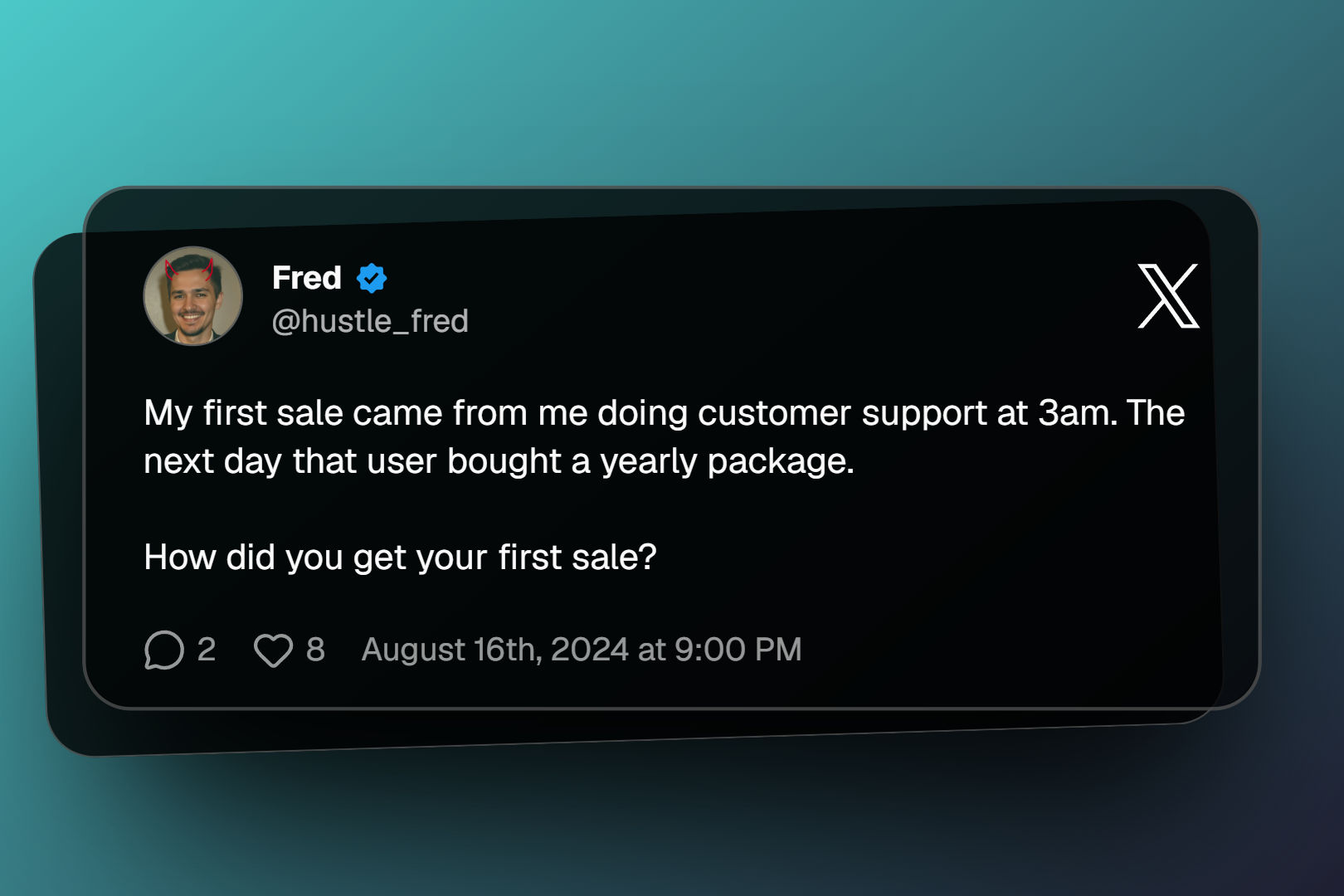 A lot of developers think you just launch on Product Hunt and magically get rich. That is a myth. For the first few months, I had to do things that did not scale at all.
1. The "1-on-1 BFF" Strategy:
When SupaBird first went live, I didn't just wait for people to buy. Every single time someone signed up for a free trial, I instantly sent them a personal Direct Message on X. I thanked them, asked what their goal was, and offered to help them use the tool.
I befriended them. I offered free access in exchange for brutal feedback. By treating early sales as relationship-building, I built a core group of super-fans who loved the product and wanted to see me win.
2. Building in Public on X:
Since the product was about growing on X, I used X to sell it. I posted my MRR (Monthly Recurring Revenue) updates. I posted my failed marketing attempts. I shared my Stripe screenshots. People love transparency. When people saw that I was a solo founder grinding it out in Berlin, they wanted to support me.
What is your exact customer acquisition mechanism today? (How you grow)
Today, SupaBird generates over $2k MRR, and about 70% of that comes strictly from organic and social channels. My Customer Acquisition Cost (CAC) is incredibly low. Here is the exact breakdown of how we get customers to keep the revenue model growing:
1. The SEO & Story-Driven Content Flywheel
I don't write boring, generic SEO articles like "10 Ways to Tweet." Nobody reads those. Instead, I write deep, story-driven case studies about other successful indie hackers. For example, I wrote a huge breakdown of a founder named Nico Jeannen.
I take these long stories and cross-post them on Reddit, Hacker News (HN), and Indie Hackers. One of my articles hit the front page of Hacker News and drove 10,000 visitors to my site overnight. Another post about the X algorithm brought in 4,000 visits. I then turn these articles into short-form videos for YouTube and Instagram.
2. Free "Trojan Horse" Tools
This is a massive secret for SaaS growth. I build free, mini web apps to attract users. For example, I built a free "Post Virality Predictor." People come to the site just to use the free tool. Once they are there, they see the value of SupaBird, and the free tool naturally funnels them into signing up for a paid trial. It builds instant trust.
3. The Affiliate Ambassador Army
I set up a strong affiliate program. My best marketers are my actual users! Because SupaBird helps them grow their audience, they naturally tweet about how great the tool is and drop their affiliate link. It’s a perfect viral loop.
4. Targeted X Ads (A Cool Experiment)
While I focus on organic, I do run small, highly targeted experiments. Recently, I ran a tiny ad campaign on X. I got 47 free trials. Out of those, 10 converted to paid plans (some on the annual plan). That single small campaign yielded $507 in revenue.
What were the biggest mistakes and challenges along the way?
It hasn't been a smooth ride. Getting from $0 to $2,000 MRR is a grind that tests your mental health. Here are the hardest parts:
-
The Churn Monster: In the beginning, people would sign up, use the AI to generate a month of tweets, and then cancel. Churn is the silent killer of MRR. To fix this, I had to obsess over feedback. I built custom cancellation flows in Stripe to figure out why they were leaving. I added features like the "AI Coach" and "Daily Analytics" so users needed to log in every day, not just once a month.
-
Failed Payments: You think you made $100, but then credit cards decline. It is frustrating.
-
Family Skepticism: When you quit your job and your MRR is sitting at $150 a month, your family looks at you like you're crazy. It takes deep obsession and belief to keep going when the numbers are low.
-
Copycats and Clones: The moment you get traction, people will try to copy your stack. I learned that you cannot stress about clones. Your personal brand and your speed of shipping are your true moats.
What does the revenue look like today, and what's the ultimate goal?
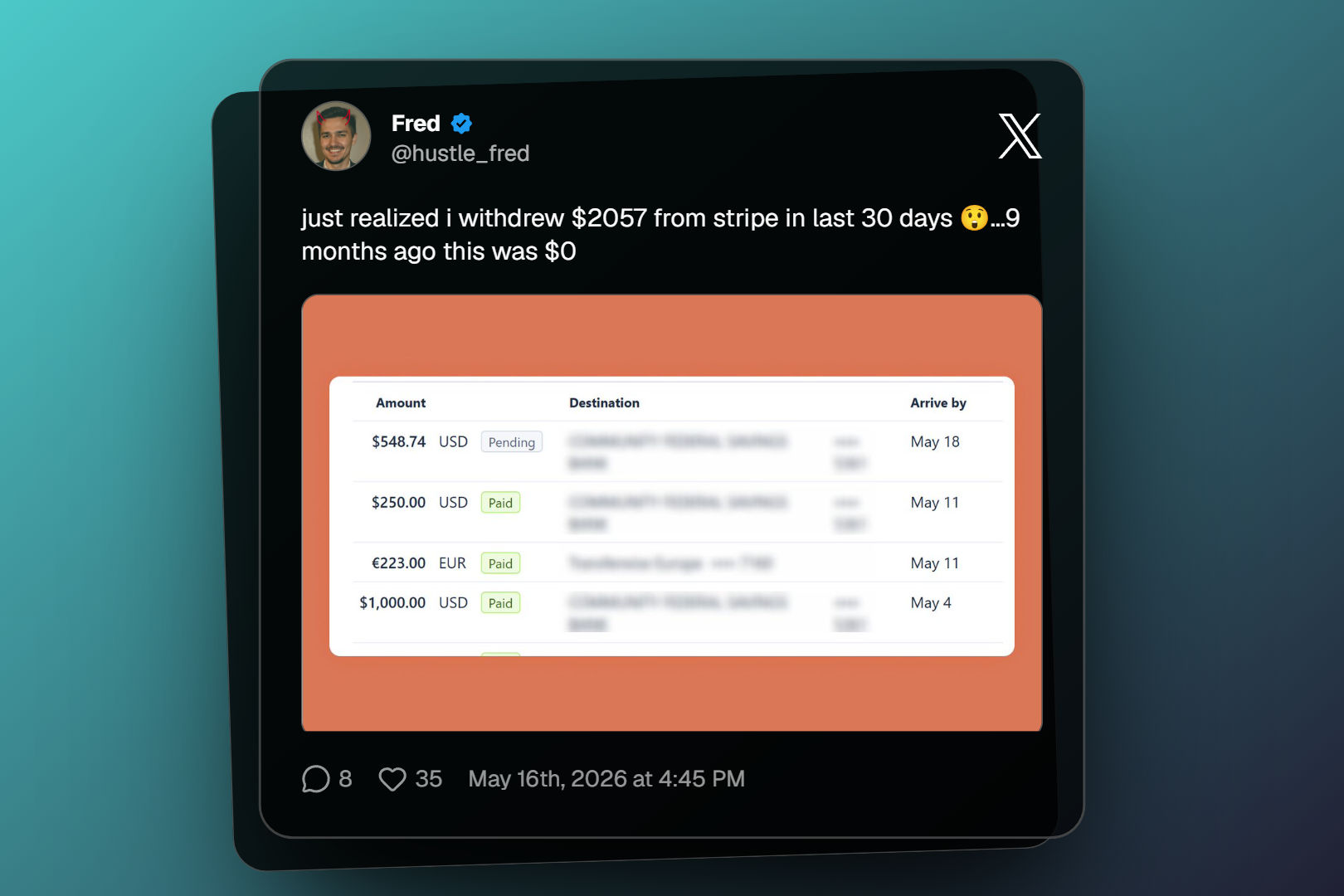 As of May 2026, SupaBird is incredibly healthy. In the last 30 days, we withdrew $2,057 from Stripe. We hit our first $858 MRR milestone, blew past $1k (which happened much faster once I started meeting other founders in person for accountability), and crossed $2k.
Because I am bootstrapped and the tech stack is lean, my profit margins are huge.
My goal is to aggressively scale SupaBird to $5k MRR, and ultimately reach $20k MRR. I will do this by doubling down on what works: my content flywheel, improving the AI agents to make the content even more authentic, and lowering churn through amazing customer support.
If you could give advice to a beginner starting their first SaaS, what would it be?
If you are reading this and want to start your own micro-SaaS, here is my playbook:
-
Have a marketing plan BEFORE you build. Most indie hackers code for 3 months and then ask, "How do I sell this?" Do the opposite. Know where your customers hang out before you write line one of code.
-
Solve your own pain. I built Beep because I hated messy feedback. I built SupaBird because I was failing at Twitter. If you solve your own problem, you guarantee there is at least one user: you.
-
Escalate your goals slowly. Don't aim for $10,000 MRR on day one. Aim for one new customer this week. Once you hit that, aim for two. Small, realistic goals prevent burnout.
-
Talk to your churned users. The people who cancel your app hold the secret to your future millions. Don't be afraid to DM them and ask why they left.
Stop guessing what works. Put real value out into the world, build in public, and the users will come.
Follow Farid's ongoing journey to $10k MRR on X at @hustle_fred or try out the tool at SupaBird.io.
Farid Shukurov
Founder · SupaBird
 Germany
This story is compiled from public sources and presented in an interview format for a better reading experience.