From $10/Day to $3K/Mo: His Simple Subscription Switch
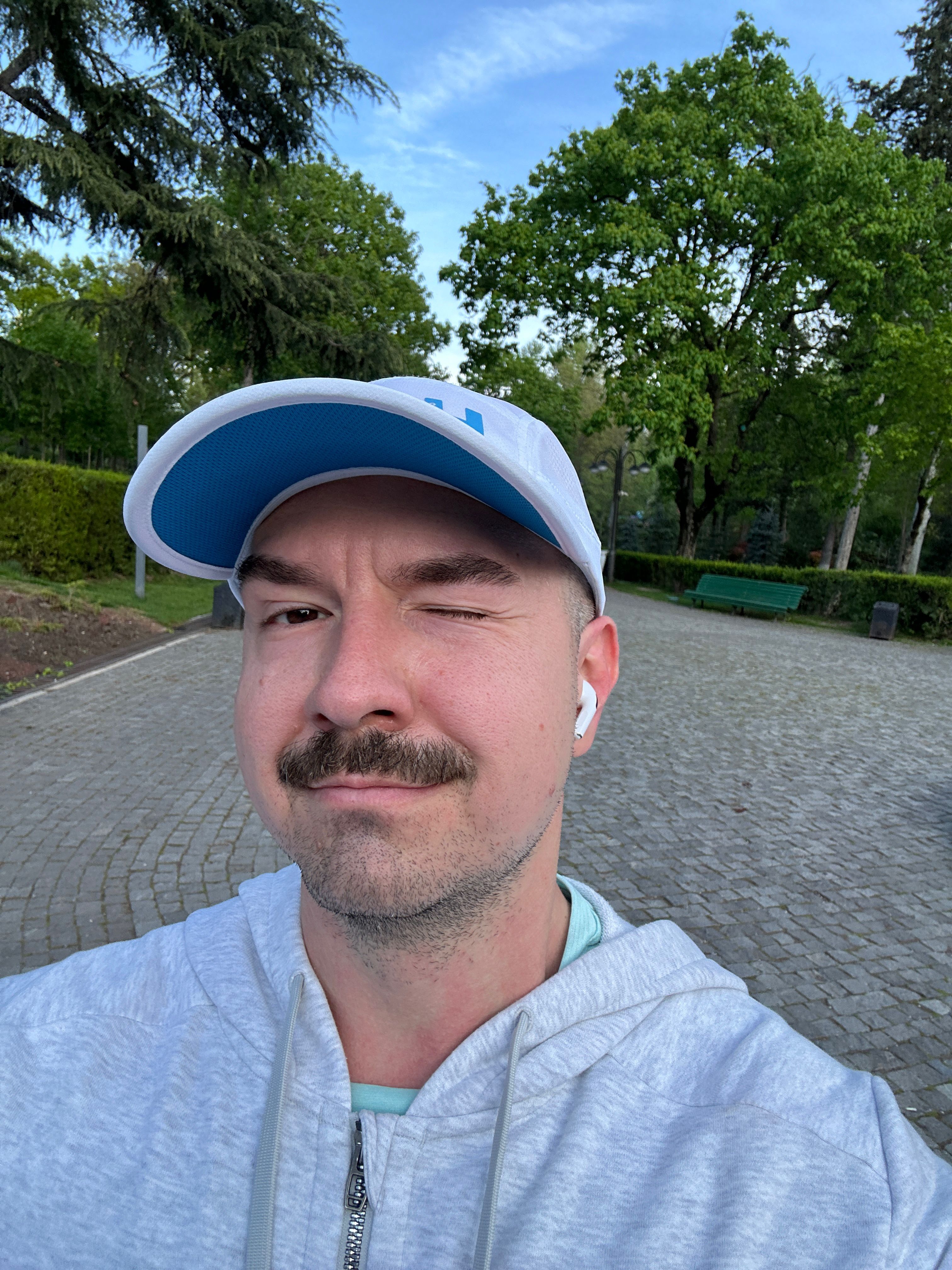
TL;DR: Learn how solo indie developer Ivan Terekhin grew his privacy-first mobile app portfolio to $3,000 in Monthly Recurring Revenue (MRR). By solving his own personal struggles with Sober Tracker and mastering App Store Optimization (ASO), he turned a $10/day side project into a highly profitable business. Discover his exact strategies for scaling apps organically using long-tail SEO and a smart subscription model.
Hello! Who are you and what business did you start?
Hey! I’m Ivan Terekhin, an indie mobile app developer based in Tbilisi, Georgia. I go by "Vanka" online. I am the founder of Trifoil Trailblazer, a one-person studio where I build minimalist, privacy-first health, fitness, and habit-tracking apps for both iOS and Android.
My current flagship product is Sober Tracker, a privacy-first app designed to help people quit drinking by tracking their dry days and habit-building progress. But my portfolio is much larger than just one app. I also run Smoke Tracker, Water Tracker, WinFast (for fasting), Anxiety Pulse, Supplement Tracker, Ctrl+Neck (to fix posture), and even a few casual games like Bunny Boom.
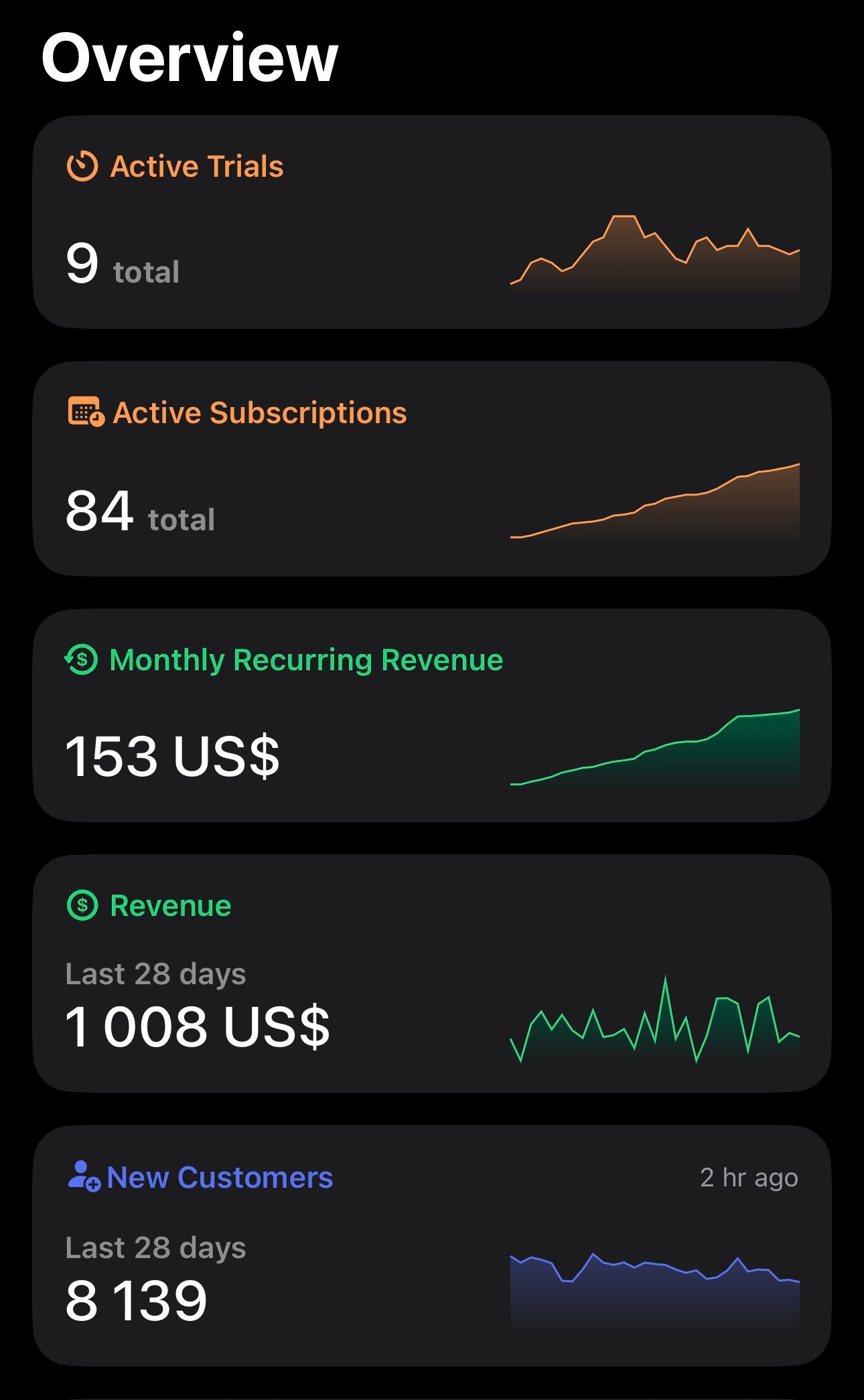
Right now, I am completely solo. No team, no VC funding. I lean heavily on AI tools like Claude for coding and optimization. As of mid-May 2026, my portfolio crossed $3,000 in revenue over a rolling 28-day window. This is a massive jump from my earlier days of making about $300 in Monthly Recurring Revenue (MRR). My public target is to scale this to $20K/month.
What's your backstory and how did you come up with the idea?
I have over nine years of experience building apps for other companies using tools like Kotlin, Swift, and Flutter. I did the regular job grind and took on freelance work, including jobs on Upwork. But eventually, I decided to quit all of that to pursue financial independence on my own terms. I wanted to build a sustainable, independent cash flow.
I maintain a highly disciplined "monk mode" routine: early wake-ups, gym, running, and deep focus. But the origin of my most successful app came from a personal struggle.
Before Sober Tracker existed, I was on my own journey to stay sober. When I looked at the apps already on the market, I found them overwhelming and frustrating. They had too many social features, too many notifications, and too many accounts to create. I just wanted something that was mine. Private. Simple. Focused.
Existing sobriety apps pushed cloud sync and community forums. I didn’t want strangers validating my journey; I just wanted a clean, private way to see my alcohol-free days add up, watch the money I saved grow, and feel that quiet sense of progress. Building the app actually became a core part of my own recovery.
This "scratch your own itch" approach repeats across my entire portfolio. I build what I need myself.
Take us through the process of building the first versions of your apps.
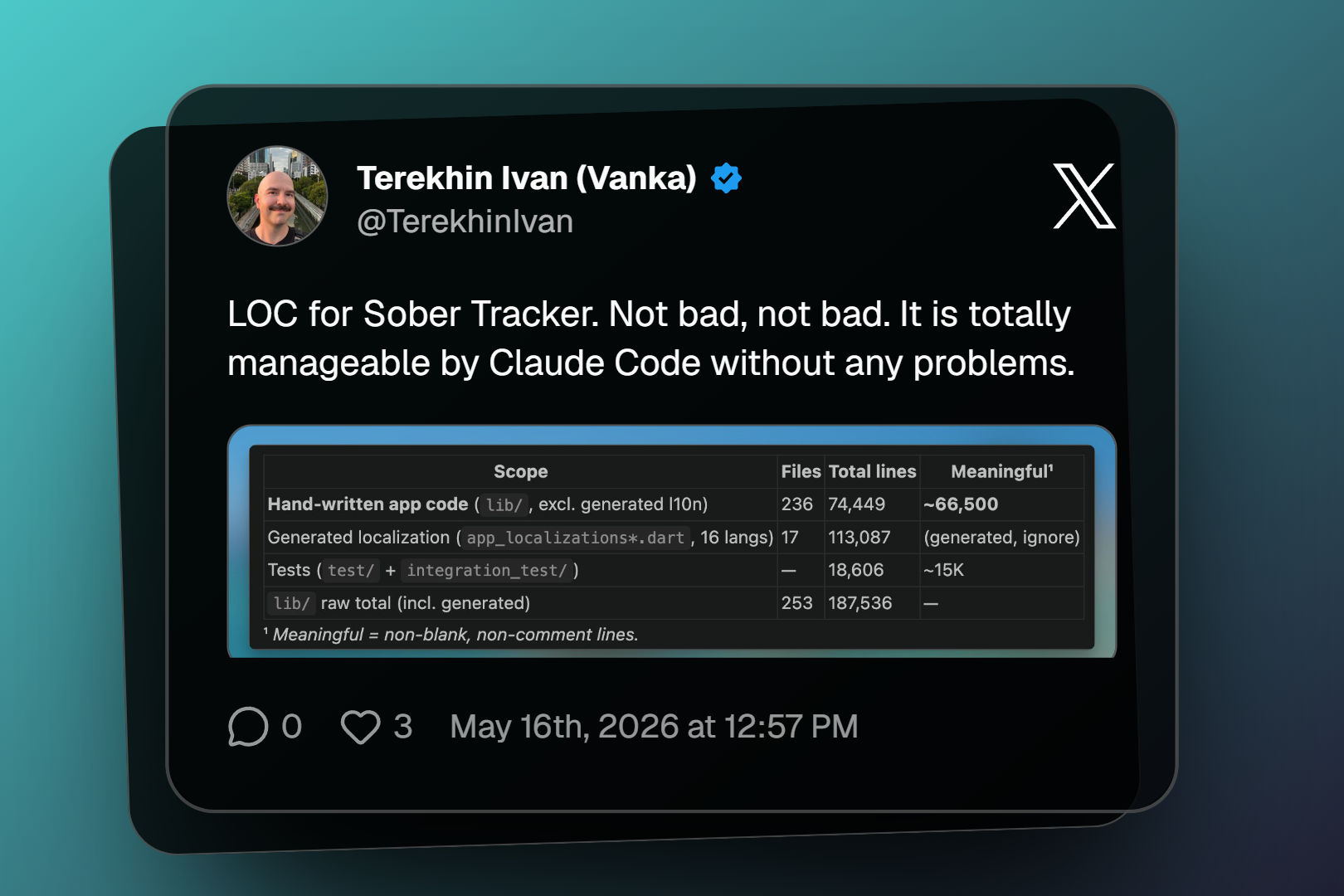 My core philosophy is simple: Launch first, optimize later. I believe in shipping a product, gathering 10 days of real data, and then iterating.
When I built the first version of Sober Tracker, I did it quickly and iteratively. Because I wanted to ship fast across platforms, I didn't overcomplicate things.
The Minimum Viable Product (MVP) had just three core features:
-
A simple day counter.
-
A “money saved” calculator.
-
A progress tracker.
That was it. No social features, no cloud sync, no accounts. Privacy by default is a huge selling point for me; all data stays on the device. I used the app myself every day. After a few weeks of personal use, I polished the UI, wrote a straightforward App Store description, and hit “publish.” I honestly expected maybe 10 people to download it.
I also lean heavily on AI to speed up the process. I stream my "vibe coding" sessions with Claude, which helps me with rapid prototyping and iteration.
Describe the process of launching and getting your first customers.
 There is a huge myth in the startup world that you need a viral Product Hunt launch or a massive Hacker News post to get users. My first customers didn’t come from paid ads or press coverage. They came from organic search.
My strategy was brutally simple and highly effective:
-
Name the app what people actually search for. I didn’t invent a clever brand name like “SobVersy.” I called it exactly what it was: Sober Tracker. I know it might be boring, but it works wonders for App Store Optimization (ASO).
-
Write a description that matches the search intent. The App Store listing clearly stated the benefits: “Track alcohol-free days, celebrate milestones, get daily motivation.”
-
Use Visual Metaphors. I added a unique visual element: a "Recovery Garden" that visually grows as the user accumulates sober days.
My first downloads trickled in from people searching for terms like “sobriety tracker” or “quit drinking app.” The clean, focused product converted these searchers into users. One day, after a New Year’s spike a prime time for habit-tracking apps I realized over 6,000 people had downloaded the app in its first year.
What is your revenue model and how has it changed?
 Getting users is one thing; making money is another. My early monetization strategy was a mistake that I openly admit.
Initially, I sold lifetime access to premium features for a one-time fee of just $5. That meant every new user was a one-shot transaction, and there was no compounding recurring revenue. At this early stage, I was making barely $10 a day across my entire portfolio.
The turning point: In early 2026, I converted my health apps to a subscription model (freemium with weekly, monthly, and yearly tiers).
-
Sober Tracker Premium Weekly: $0.99
-
Monthly: $2.99
-
Yearly: $14.99
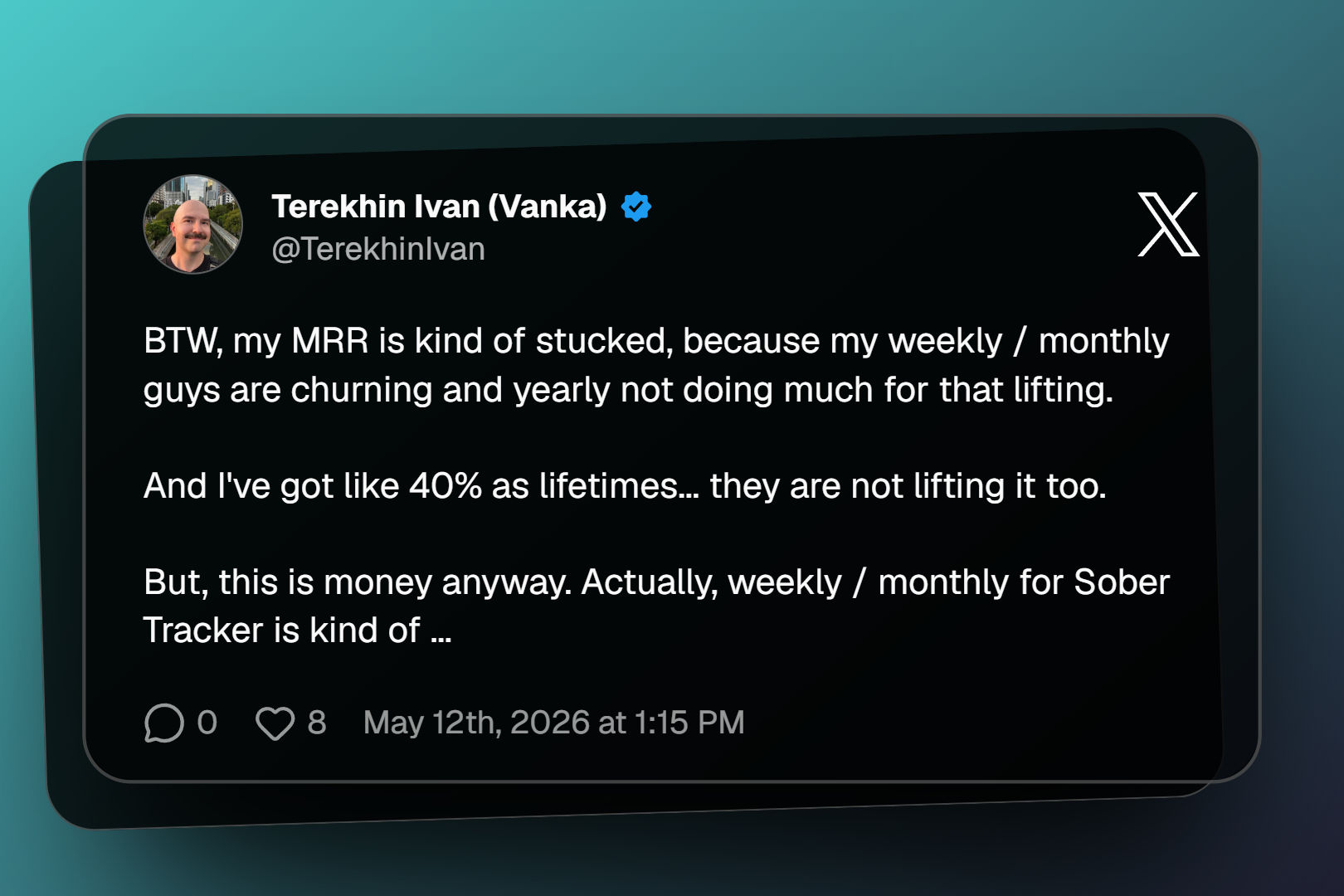
The result was massive. By March 2026, I hit ~$1.3K total revenue, with $837 coming just from Sober Tracker. The subscription model gave me predictable Monthly Recurring Revenue (MRR). I still offer lifetime options, but I adjusted the prices to protect my MRR. Interestingly, I've noticed that Android often outperforms iOS in my revenue mix (hitting a 72/28 split in one period), driven heavily by Sober Tracker in price-sensitive or emerging markets.
Since launch, what has worked to attract and retain customers?
I don’t run Facebook ads. So how did I reach $3K/28d with over 300K combined downloads?
1. App Store Optimization (ASO) – The Core Engine
The vast majority of my users find my apps by searching. My ASO strategy is relentless. I know that long-tail SEO compounds. Targeting thousands of small keywords beats chasing huge, highly competitive keywords. I use AI to constantly test and optimize my app descriptions and keywords, sometimes even hitting my AI usage limits just refining metadata. I also create Custom Product Pages tailored to specific search intents.
2. Paid Ads vs. Organic Testing
I experimented with Apple Search Ads and Google Ads, spending up to $750/month at my peak. However, I ran a test and turned them off completely. The result? Downloads held steady or even grew via ASO, MRR rose, and my costs dropped. Today, my growth is mostly organic, with only light testing on paid channels.
3. Content and "Programmatic SEO"
I am building out a content strategy. I write blog posts on my website, translate them into multiple languages for long-tail global SEO, and comment on relevant Reddit threads where people are asking for help.
4. Portfolio Cross-Promotion
With 10+ apps, every download is an opportunity. If someone downloads Sober Tracker, I can gently cross-promote Smoke Tracker or Anxiety Pulse. This creates a compounding network effect.
Through starting the business, have you learned anything particularly helpful or advantageous?
I've learned a lot through trial and error.
Mistake: Selling cheap lifetimes. As I mentioned, early on, selling $5 lifetime access diluted my revenue potential. Subscriptions create sustainable businesses.
Mistake: Diluting focus. I built many apps quickly. I learned that I need to stop dividing my attention. I am now heavily prioritizing my flagship, Sober Tracker, during "marketing months" where I stop building features to focus on distribution. You can have a 4.8-star app, but if you don't relentlessly market it and optimize for ASO, no one will use it.
The biggest takeaway from my journey? Bad decisions don't kill you. Not launching does.
What platforms/tools do you use for your business?
-
Development: Kotlin, Swift, Flutter.
-
AI Tools: Claude (for rapid prototyping, coding, and metadata optimization).
-
Analytics: RevenueCat and PostHog (vital for my "10-day rule" of gathering real data to iterate).
-
Marketing & Audience: X (Twitter), YouTube, Reddit.
Advice for other entrepreneurs who want to get started or are just starting out?
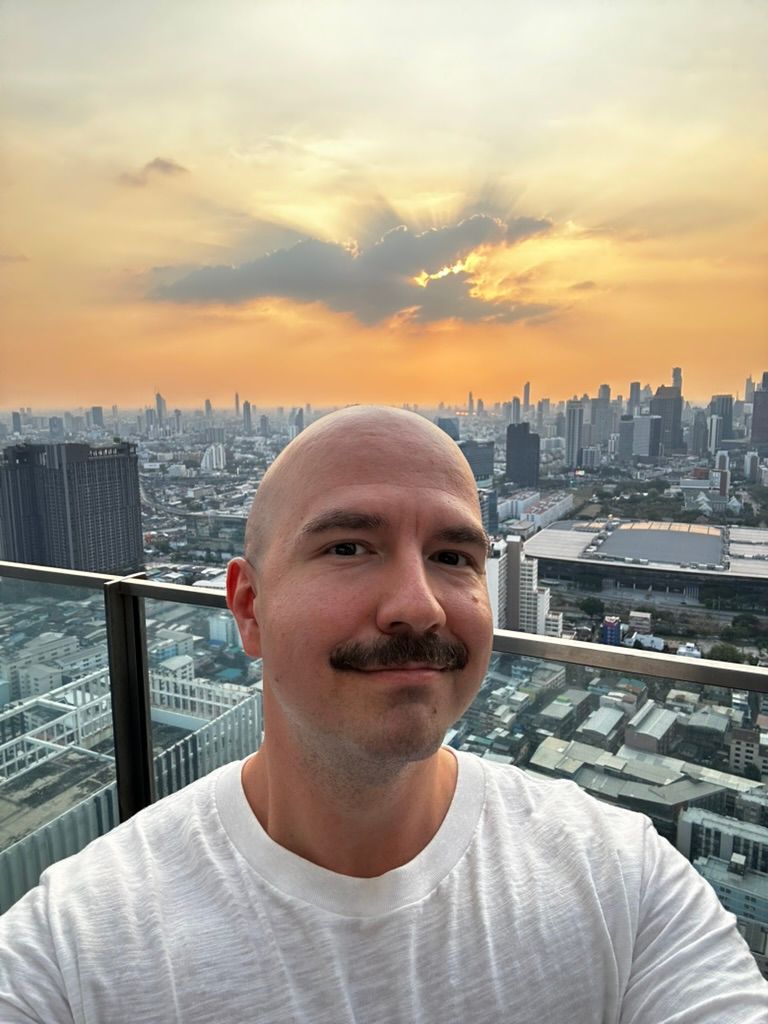 Find a problem you personally have. Build a simple solution using AI to speed up the process. Launch it, wait 10 days to gather real data, and then iterate. Don't guess what users want; look at the analytics.
Ruthlessly optimize how people find your app using ASO and long-tail keywords. And most importantly, stay transparent. I share my honest failures and build in public, which builds immense trust and accountability.
Resources to follow Ivan's journey:
-
Apps: trifoiltrailblazer.com
-
Prime App: sober-tracker.com
-
YouTube: Ivan Terekhin (aka Vanka)
Ivan Terekhin (Vanka)
Founder · Sober Tracker
 Georgia
This story is compiled from public sources and presented in an interview format for a better reading experience.