He Built a $55K MRR AI App Without Knowing How to Code
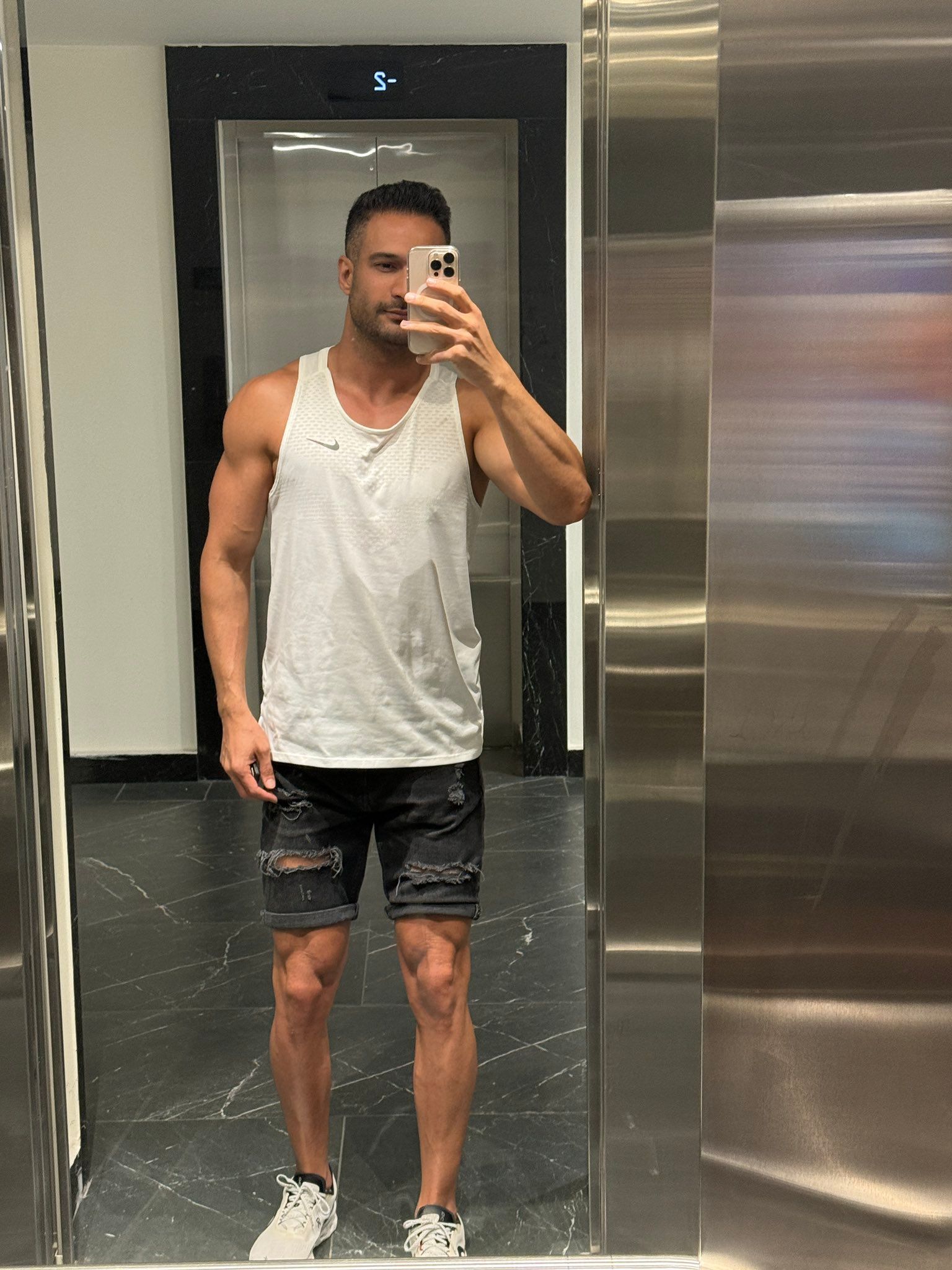
TL;DR: Former Shopify dropshipper Sina Sinry built Flibbo, a viral AI content creation app, to $55K MRR (and $1.2M ARR) without knowing how to code. By wrapping top AI models into a mobile app and mastering TikTok organic loops and A/B paywall testing, he scaled to 500,000+ users. This case study breaks down his exact tech stack, his "viral remake" acquisition strategy, and how he plans to hit $300K MRR by November 2026.
Hello! Who are you and what is the business you are building?
My name is Sina Sinry. I am a solo founder and the creator of Flibbo, an all-in-one AI content creation app.
Flibbo is a mobile app designed for creators, influencers, and indie hackers who want to go viral without spending hours editing. We wrapped the best AI models in the world into one simple app. With Flibbo, you can generate hyper-realistic photos, create high-quality videos using models like Veo 3 and Kling, make original copyright-free music, and even get AI-scored viral post ideas with hooks and call-to-actions. We also have a deep-thinking AI voice chatbot built right in.
Today, Flibbo is sitting at around $55,000 in Monthly Recurring Revenue (MRR). We have hit peaks of over $90,000 MRR, and we have passed 500,000 total users. My goal is to hit $300,000 MRR by November 2026.
But I am not a software engineer. I do not know how to code. Before building AI apps, I was an e-commerce guy selling digital products on Shopify. This is the story of how I pivoted from e-commerce to a no-code AI app, and the exact steps I took to get here.
What is your backstory? How did you get the idea for Flibbo?
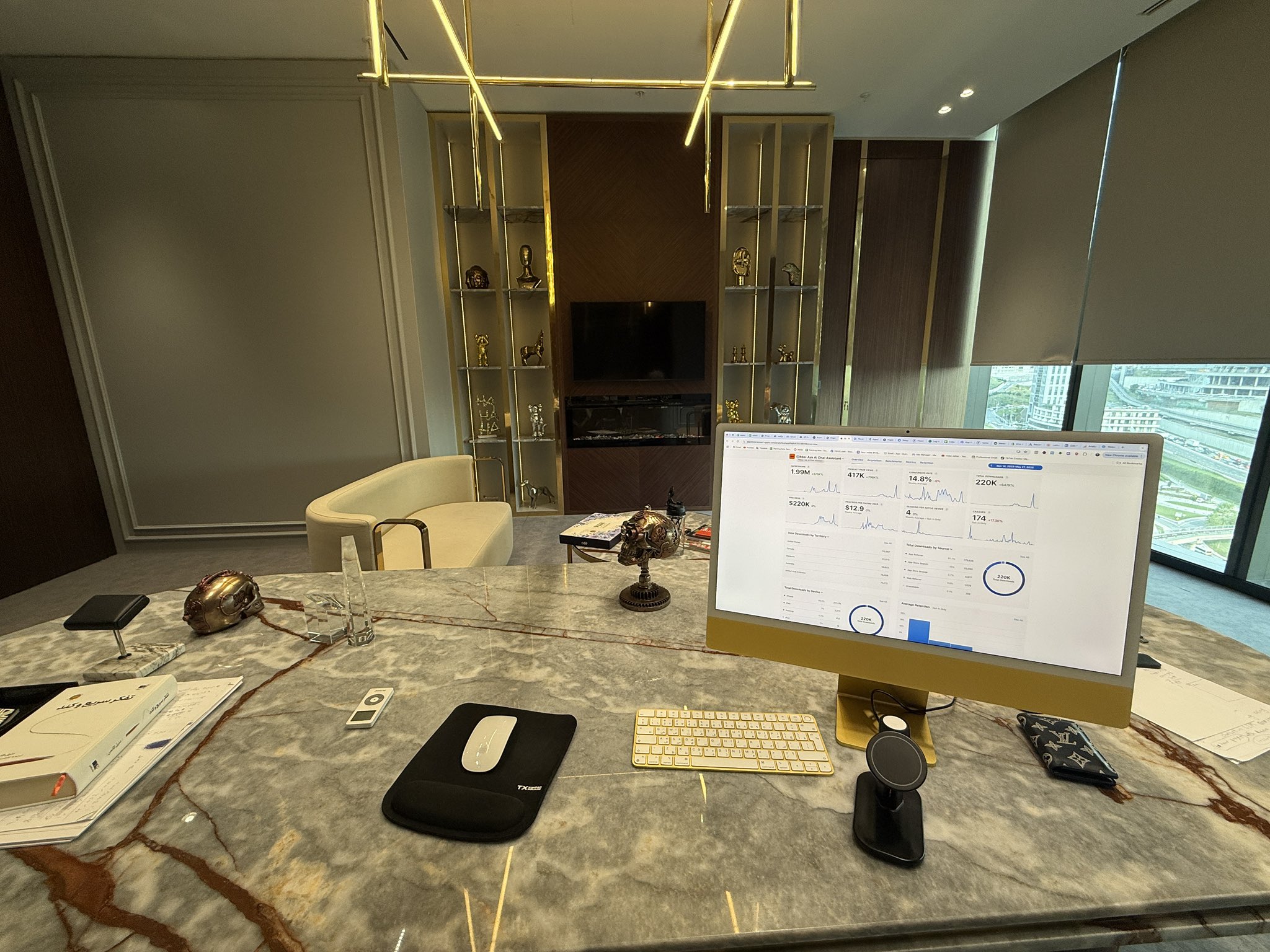 My journey started in e-commerce back in 2019. I wasn't selling physical dropshipping products like t-shirts or mugs. I was selling high-ticket digital products specifically, Forex trading robots and automated trading software (Expert Advisors) via Shopify.
Because it was a digital product in a high-demand niche, the margins were great. I used direct-response marketing and heavy paid ads to build a massive brand. That business generated over $1 million in revenue. I also co-founded Sinry Academy to teach others how to succeed in e-commerce. This built my personal brand on Instagram to over 902,000 followers.
But there was a problem. Selling digital products like Forex robots is usually a one-time sale. Your revenue is lumpy. You are always chasing the next customer.
I looked at the SaaS (Software as a Service) and mobile app world and saw the magic of Recurring Revenue. I wanted to build equity. I wanted a business where users pay every single month. At the same time, the AI boom was happening. I saw content creators struggling to use complex AI tools on their computers. I realized if I could put all those powerful AI tools into one simple mobile app, people would pay a monthly subscription for it.
That was the validation. The market was already using AI, but they needed it to be easier. That is how the idea for Flibbo was born.
You have no coding experience. What were your startup costs, and what is your tech stack?
A lot of indie hackers get stuck because they think they need to learn Swift or React to build an app. You don't.
I used the capital I made from my Shopify days to fund the app. I bootstrapped it entirely without raising venture capital. Because I couldn't code, I acted as the product manager. I used no-code and low-code tools to design the app, and I hired freelance developers and agencies on platforms like Upwork to put the pieces together.
The secret to Flibbo is that we didn't build our own AI. We used API wrappers. We took the best existing AI models (like Veo 3 for video and other top-tier text-to-image models) and integrated them into our app. Our job was just to make the User Experience (UX) amazing.
Here is my exact Tech Stack and Toolkit:
-
The App Build: Low-code platforms, integrated via APIs by freelance developers.
-
RevenueCat: This is a lifesaver. We use it to manage all our in-app subscriptions and billing.
-
Superwall: We use this to A/B test our paywalls relentlessly (more on this later).
-
Windsor.ai: For pulling all our ad data into one place.
-
Amplitude: For tracking exactly what users do inside the app.
-
Claude (My AI Co-Founder): I built custom internal dashboards using Claude’s API. It pulls data from RevenueCat, App Store Connect, and my ads to give me real-time profit and loss (P&L), Cost Per Acquisition (CPA), and LTV (Life Time Value).
How did you get your first customers? Describe the launch.
I had a massive unfair advantage: my Instagram audience.
Because I had shared my e-commerce journey online, I had hundreds of thousands of followers who trusted me as a builder and marketer. When I launched Flibbo, my very first customers came directly from my Instagram Stories and Reels. I showed them how the app worked, and they downloaded it.
This gave me the initial user base to test for bugs, see what features people liked, and get some early revenue. But an Instagram audience only takes you so far. To scale, you need a system.
Let's break down your growth channels. How do you acquire users today?
 To hit $55K MRR and scale past 500,000 users, we rely heavily on paid ads and viral organic loops.
1. The TikTok Viral Remake Strategy (Organic & Paid)
Flibbo is a highly visual product. People need to see it to believe it. Our best acquisition channel is TikTok and Meta (Instagram/Facebook) Reels.
We don't invent new video ideas. We find AI videos that have already gone massively viral on TikTok (for example, a video with 40 million views). We then use Flibbo to remake that exact same video. At the end of our video, we add a quick tutorial showing the viewer exactly how to do it using Flibbo, with a strong Call To Action (CTA) to download the app.
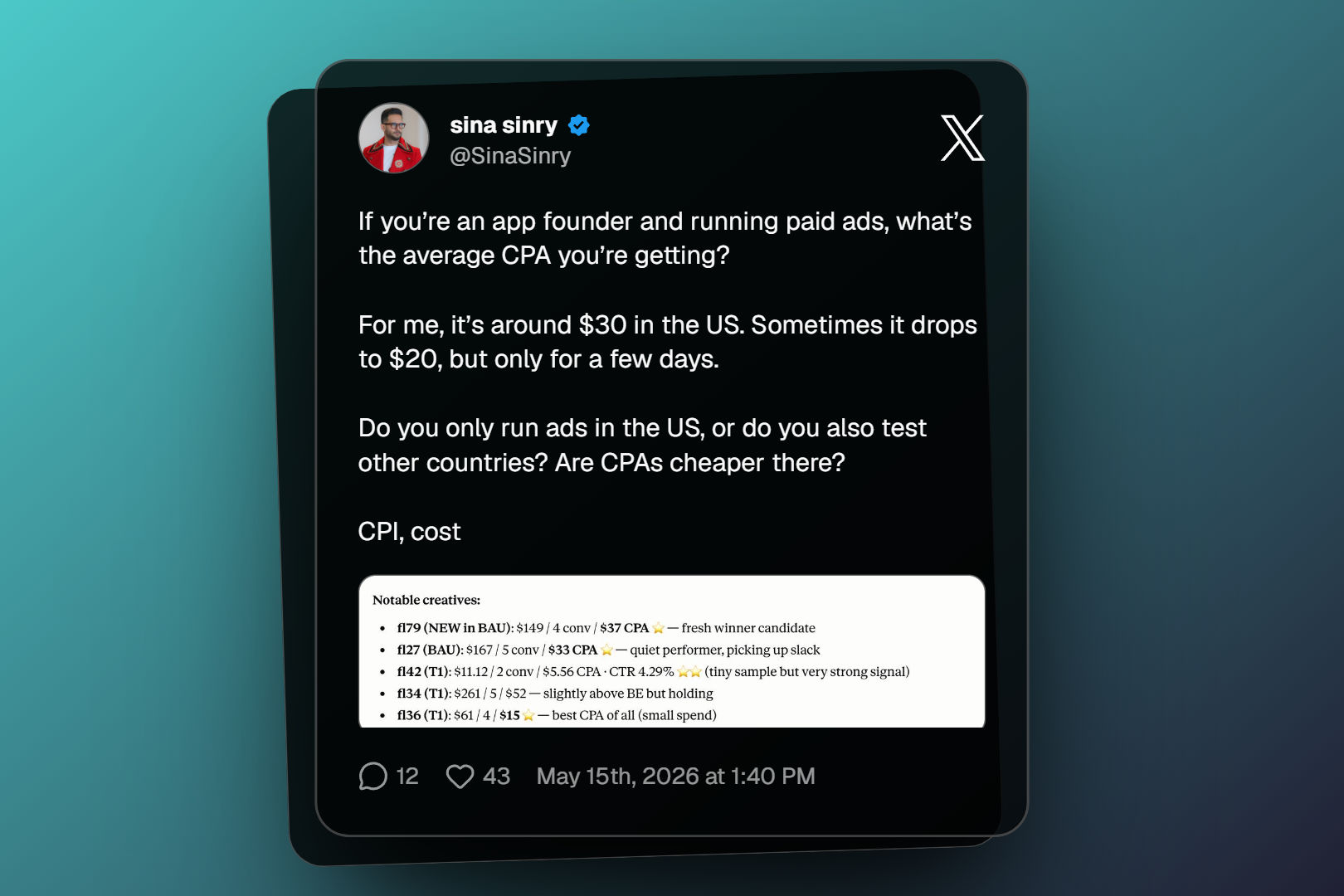
It works like magic. Viewers see the amazing video, learn the prompt, and download the app. We take our best-performing organic TikToks and put ad money behind them. Right now, our Cost Per Acquisition (CPA) is around $20 to $30 for US users. We focus on the US because the lifetime value (LTV) is much higher, though we test other countries for cheaper app installs.
2. SEO: Long-Tail Keywords Compound
While paid ads drive massive spikes, SEO (Search Engine Optimization) is our slow and steady growth engine for the web version of Flibbo.
Here is the biggest SEO secret for indie hackers: Long-tail SEO compounds. Thousands of small keywords beat chasing huge keywords.
We don't try to rank for massive, impossible terms like "AI app." Instead, we write content and optimize our site for highly specific, long-tail searches. Think of phrases like "how to make an AI video for TikTok free," or "best AI hook generator for Instagram reels." These keywords might only get a few hundred searches a month, but if you rank for hundreds of them, the traffic adds up to thousands of highly targeted visitors. They are looking to solve a specific problem, and Flibbo is the answer.
3. App Store Optimization (ASO)
When we run heavy paid ads, our app climbs the App Store charts (we've hit the Top 100 in the US). This boosts our visibility. We optimize our App Store title and keywords so that when people search for "AI video maker," we show up.
What is the pricing and revenue model?
We use a freemium subscription model.
Running AI models (especially video generation) costs a lot of money in server and GPU fees. Because of this, we cannot offer unlimited free access.
Users can download the app for free and get a limited number of credits. To get real value, they need to subscribe. Our main subscription is around $20 per month (we also offer weekly and annual plans). When you subscribe, you get more credits, access to premium models like Veo 3, and no watermarks.
The Paywall Secret (How we boosted revenue)
If you are building an app, you must obsess over your paywall. We use a tool called Superwall to A/B test our pricing pages constantly.
Through testing, I found my biggest "secret" for app conversions: 84% of buyers come AFTER skipping the first paywall.
Many app founders force a hard paywall the second a user opens the app. This kills the "Aha!" moment. We found that if we let users skip the first paywall, let them click around, see the tools, and experience the value first, they are much more likely to pull out their credit card later when they hit a limit. We even added a slight delay to the "skip" button on our paywalls, which boosted our conversions by 20%.
Another key to MRR is retention. I recently paused all my paid ads just to see what would happen. Our revenue held steady at around $50K MRR just from organic traffic and subscription renewals. Renewals are the ultimate moat.
What were your biggest mistakes and challenges?
It has not been a perfectly smooth ride. Here are the realities and mistakes of building an AI app:
1. High Variable Costs: Generative AI is expensive. Every time a user clicks "generate video," it costs me money. Early on, it was hard to balance the price of the subscription with the cost of the AI APIs. If your output quality drops, users will churn immediately.
2. Customer Support Debt: When you scale fast as a solo founder, things break. If you look at some of our App Store reviews, people love the product, but they complain about bugs or lost credits. Because I was so focused on marketing and building, customer service was sometimes non-existent. At $55K MRR, you have to start investing in support to keep people happy.
3. Ad Creative Fatigue: Ads burn out fast on TikTok. A video that brings in $20 CPAs this week might stop working completely next week. You have to constantly create new videos, which is exhausting.
What advice do you have for indie hackers reading this on MRRStory?
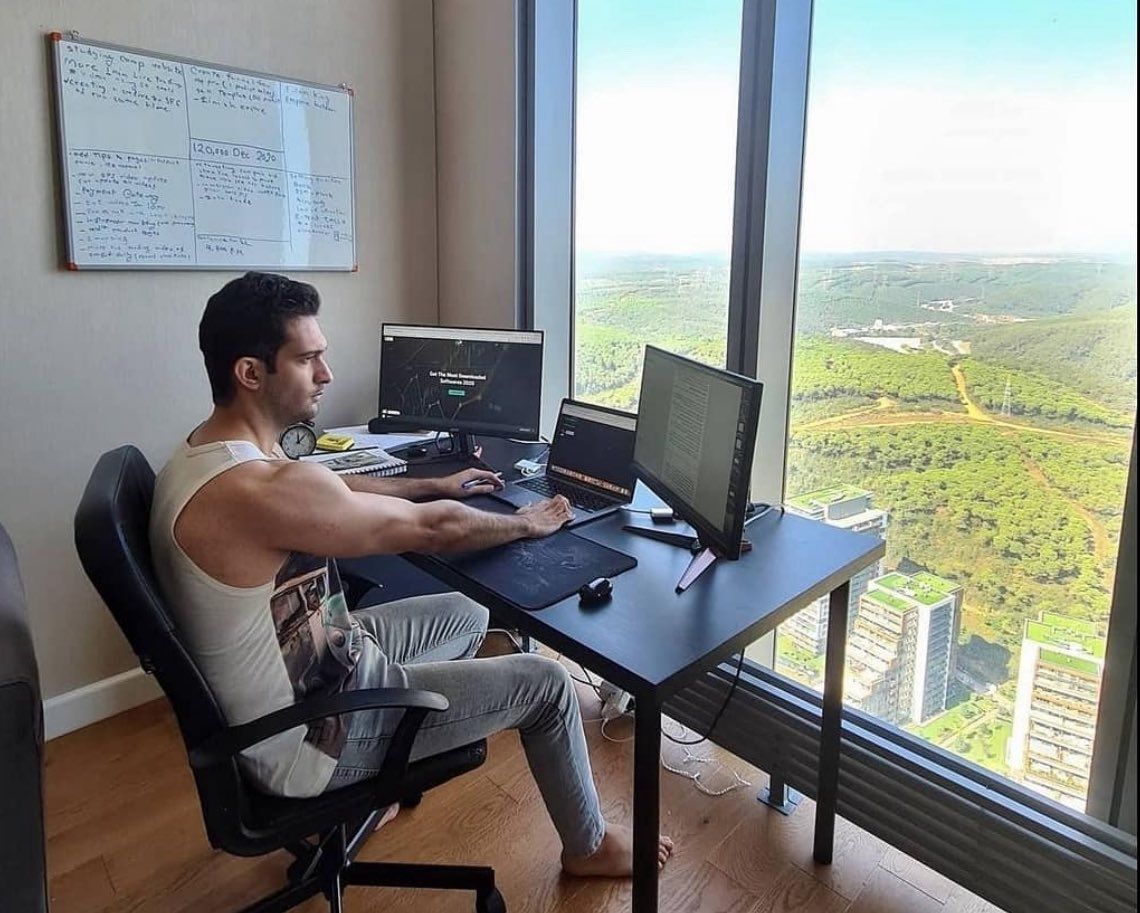 If you are reading this and want to build a SaaS or a mobile app, here are my top strategies:
1. You don't need to code; you need to sell.
Stop using "I can't code" as an excuse. Use no-code tools. Wrap an API. Focus on distribution, UX, and marketing. Let the AI do the heavy lifting.
2. Follow the Portfolio Mindset.
One success funds the next. My e-commerce store funded Flibbo. Flibbo is now funding my next apps. You don't have to build a billion-dollar unicorn. Build small, profitable tools.
3. Test Relentlessly.
Never guess. I use data for everything. Test your ad creatives. Test your paywall prices. Know exactly how much it costs to get a customer (CPA) and how long it takes for them to pay you back (LTV).
4. Let users experience value first.
Remember the 84% rule. Do not block your users from seeing how great your app is. Give them a quick win, and then ask for the sale.
Where can we go to learn more?
You can follow my journey on Twitter/X at @SinaSinry. I share my MRR updates, my ad strategies, and my journey to hitting $300K MRR. You can also check out the app at Flibbo.com or search for Flibbo on the App Store.
Sina Sinry
Founder · Flibbo
 Türkiye
This story is compiled from public sources and presented in an interview format for a better reading experience.