He Got His First 100 Users From One Reddit Post Now Hit $60K MRR
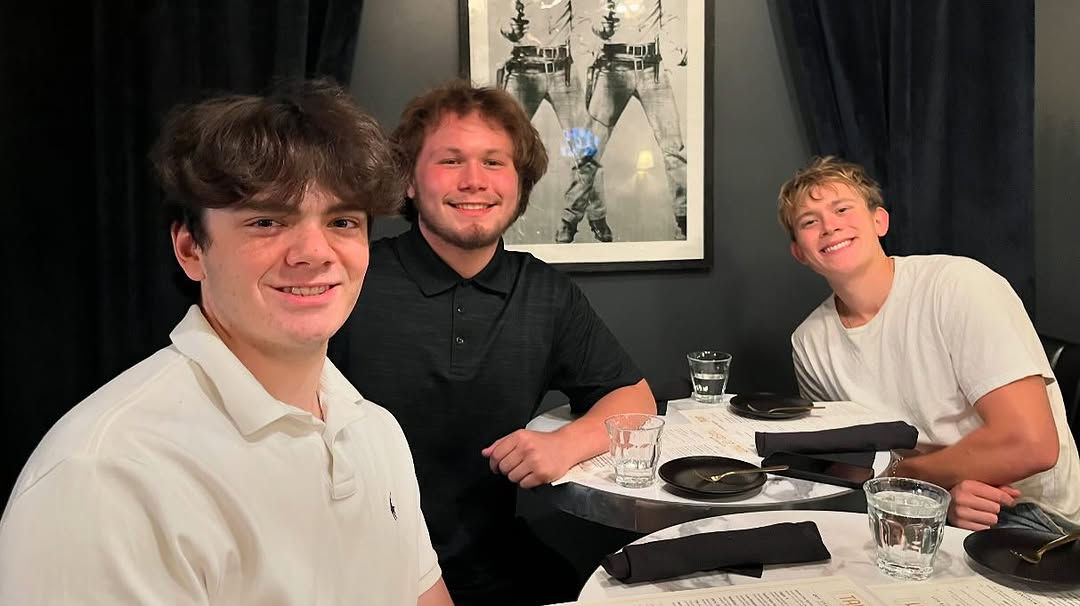
TL;DR: Cedric Roberge, a 22-year-old solo founder, built Pep AI a dedicated GLP-1 and peptide tracking app and scaled it to $60,000 MRR in just a few months. By identifying a high-growth niche, launching a simple MVP directly to Reddit users, and taking a bold $30,000 bet on influencer marketing, he turned a basic solution into a highly profitable Micro-SaaS business.
Cedric Roberge
Founder · Pep AI
 United States
This story is compiled from public sources and presented in an interview format for a better reading experience.
Hello! Who are you and what business did you start?
Hi! My name is Cedric Roberge. I am a 22-year-old student at the University of Oregon, and I am the founder of Pep AI.
Pep AI is an all-in-one mobile app designed to help people track their peptide and GLP-1 research. If you look at the health and wellness space right now, things like semaglutide, Ozempic, and various research peptides are blowing up. People are using them for weight loss, biohacking, and fitness.
But until recently, there was no good way to track them.
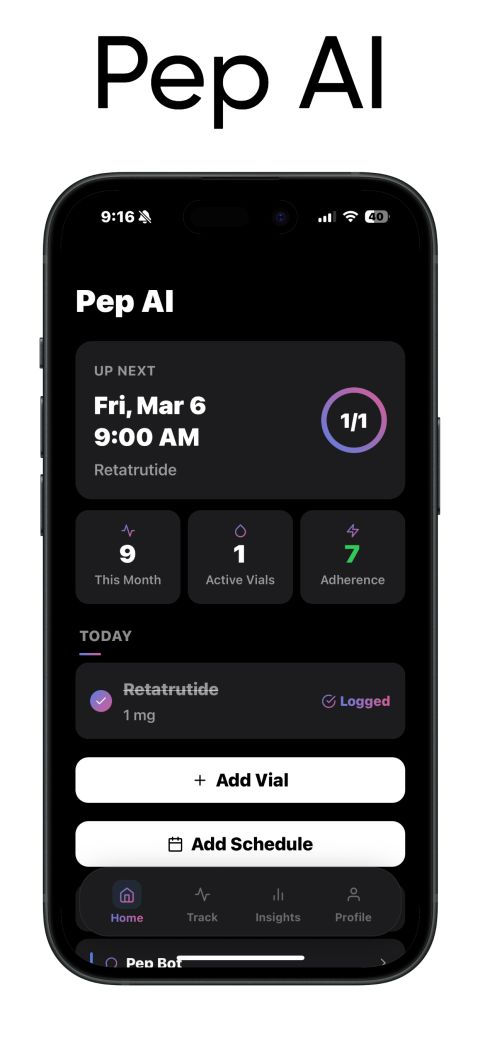
I built Pep AI to fix that. Today, the app allows users to log their doses, scan their meals using AI, monitor their sleep, track side effects, and rotate their injection sites on an interactive body map.
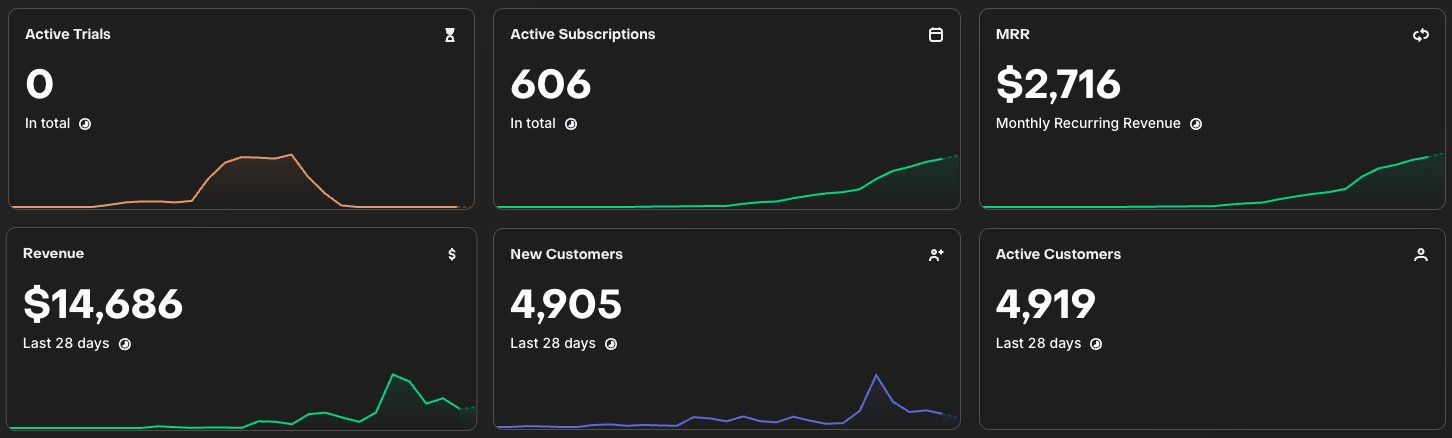
We launched in early 2026. In just a few months, we scaled the app to $60,000 in Monthly Recurring Revenue (MRR). I operate this as a true Micro-SaaS business with a very small team. I want to share exactly how I found this idea, how I got my first customers for free, and why spending a massive amount of money on marketing actually saved my business.
What's your backstory and how did you come up with the idea?
Most successful indie hacker stories start by scratching your own itch, or by paying close attention to what people are complaining about online. For me, it was the latter.
I noticed a massive trend on social media: peptides and GLP-1s were everywhere. From fitness influencers to longevity experts, everyone was talking about them. It was a clear, booming market.
But as I dug deeper, I saw a huge problem. Because this trend was so new, nobody had built a dedicated software tool for it. People were spending hundreds of dollars a month on their health, but they were tracking their injections and side effects using messy Excel spreadsheets, random online calculators, and scattered notes on their phones.
Many founders spend months looking for the "perfect" idea in a crowded market. I didn't want to build another standard fitness app or another generic calorie counter. I saw a blue ocean a high-growth niche with zero dedicated competitors.
I realized that if I could build a simple, clean app that just did the math and tracked the doses, people would use it. That was the spark for Pep AI.
Take us through the process of building the first version (MVP).
 When you are a bootstrapped founder trying to figure out how to build a SaaS, your biggest enemy is time. You have to launch fast.
I built the very first version of Pep AI with a brutal focus on only the absolute essentials. I call it ruthless prioritization. In the MVP (Minimum Viable Product), users could only do three things:
-
Add their peptides.
-
Set basic reminders.
-
Track what they took.
That was it. There was no AI meal scanner. There was no complex educational section. There were no community features or gamification. If I had tried to build all of those things before launching, it would have delayed the app by six months.
My Secret: Your MVP should embarrass you a little bit. If you are not slightly uncomfortable with how simple your first version is, you have probably spent too much time coding and not enough time talking to users.
Startup Costs & Tech Stack:
The startup costs were incredibly low. This is the beauty of building a Micro-SaaS. My main costs were simply Apple Developer fees ($99/year), some basic cloud database hosting, and my own time.
Today, the tech stack is more advanced. We use AI for food scanning (powered by the FatSecret API), we have Apple Health integration, and encrypted databases to keep user medical data completely private. But at launch, it was just a simple front-end app connected to a basic database.
Describe the process of launching. How did you get your first customer?
 This is the part that surprises a lot of people. I did not run Facebook ads. I did not do a massive PR push. I went directly to the places where my users were already hanging out.
Instead of trying to build a huge, scalable marketing funnel, I used the Reddit waitlist strategy.
The Strategy:
I went to specific subreddits focused on peptides, biohacking, and GLP-1 weight loss. People there were constantly sharing their confusing spreadsheets.
I made a single, simple post. I said something like: "Hey guys, I noticed we are all using messy spreadsheets to track our doses and injection sites. I am a developer, and I'm building a simple app to do this automatically. Would anyone want to use it?"
No sales pitch. No marketing jargon. Just one human talking to a community.
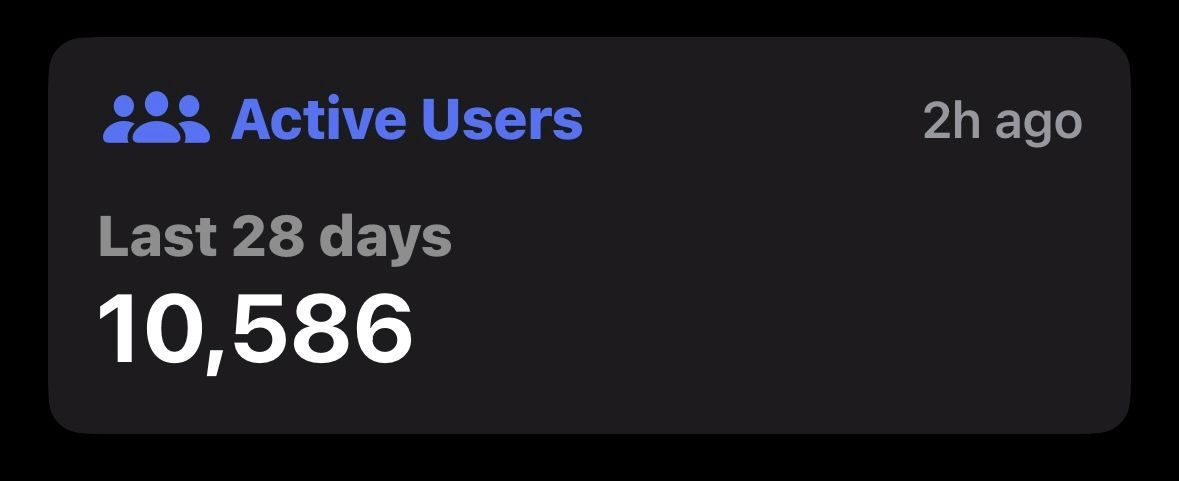
That single post generated so much interest that I was able to build a solid waitlist. On the day we officially launched the app, we got 100 downloads on day one, just from that waitlist.
This taught me a massive lesson about customer validation: Go to where your users are. Talk to them. If you solve a real pain point, they will beg you to take their money.
Since launch, what has been your best growth channel?
After getting the first 100 users organically, I had to figure out how to scale.
Here is where I took a massive risk. Most indie hackers are terrified to spend money before they are heavily profitable. They want to rely purely on word-of-mouth. But I knew I was in a "winner-take-most" market. If I didn't claim the top spot fast, a bigger company would copy my idea and crush me.
So, I made a $30,000 bet.
In a single month, I spent $30,000 on influencer marketing. I found creators on TikTok, Instagram, and YouTube who talked about biohacking, weight loss, and GLP-1s, and I paid them to showcase Pep AI in their daily routines.
Was it scary? Absolutely. $30K is a lot of money for a young solo founder. But it was a calculated bet based on real data. I already knew the app solved a problem because of my Reddit launch. I just needed eyeballs.
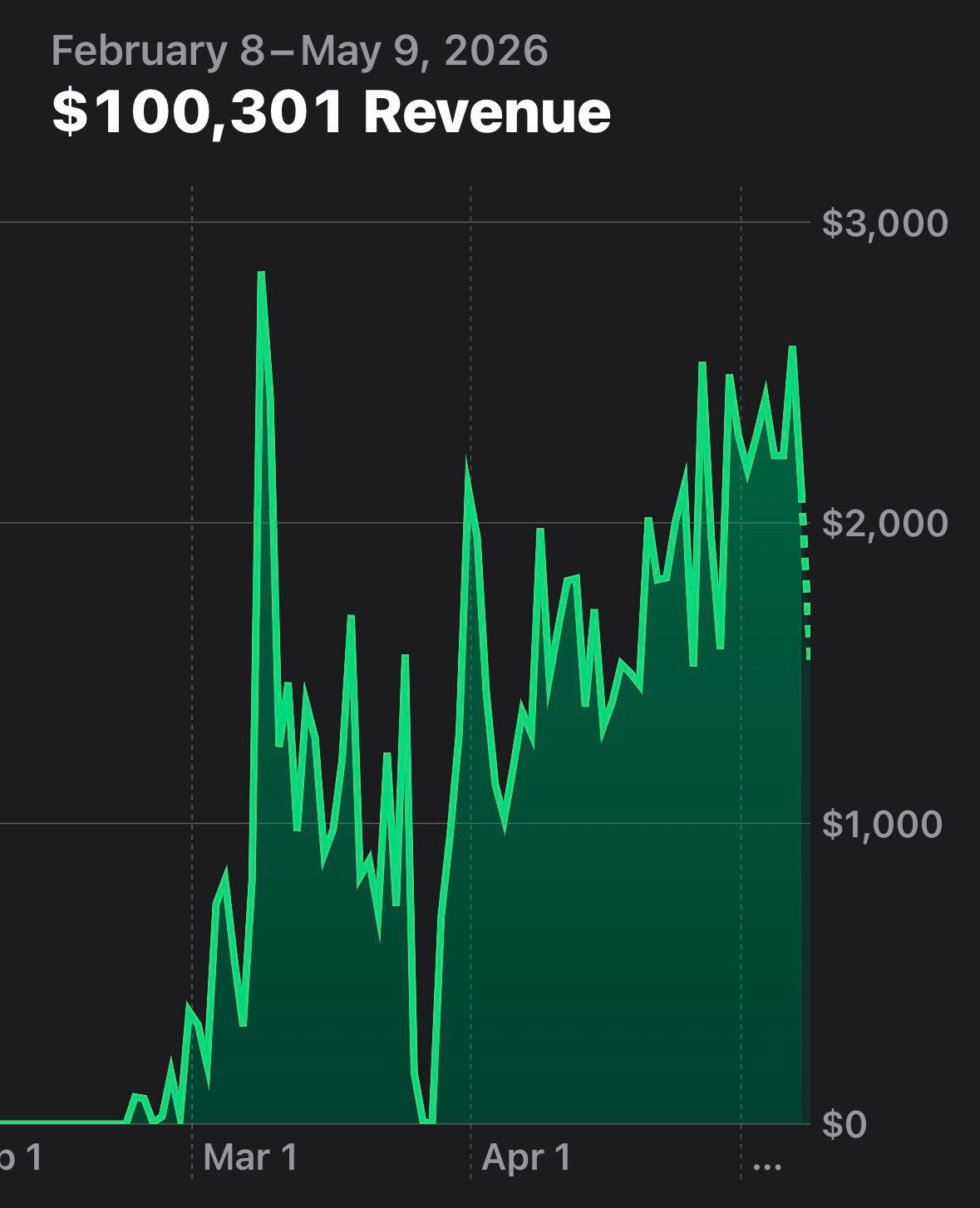
The Result: That $30,000 ad spend generated $60,000 in revenue in the exact same month. It was a 2X return on ad spend (ROAS) right out of the gate.
If I had played it safe and held onto my cash, Pep AI would still be a small side project. By being willing to spend money to make money, I pushed the app to $60k MRR. Worrying about profit margins too early is what kills momentum.
Let's talk about SEO. What is your strategy for getting organic traffic?
 If you want to know how to build a SaaS that grows on autopilot, you have to understand SEO (Search Engine Optimization). But I don't play the standard SEO game.
Most founders make the mistake of chasing huge, highly competitive keywords. If I tried to rank for "weight loss app" or "health tracker," I would be competing with billion-dollar companies like MyFitnessPal or Apple. I would lose.
Instead, I use a strategy called Long-Tail SEO Compounds.
The concept is simple: Thousands of small keywords beat chasing one huge keyword. Instead of trying to rank for broad terms, we optimize our app store listing and web content for hyper-specific, long-tail phrases that only our exact target customer would search for.
Examples of our long-tail keywords:
-
"tirzepatide injection site tracker"
-
"how to calculate peptide reconstitution"
-
"app to track semaglutide side effects"
-
"glp-1 weight loss progress log"
Each of these keywords might only get 50 to 100 searches a month. But they have incredibly high intent. The person searching for that exact phrase is ready to download an app right now.
By ranking number one for 500 different small keywords, we get thousands of highly qualified downloads every single month for free. Over time, this long-tail traffic compounds. It builds a moat around the business that competitors cannot easily cross.
What is your revenue model and pricing strategy?
 Pep AI operates on a Freemium model.
The app is completely free to download. Users can get in, poke around, log their first dose, and see the value of the interface without paying a dime. This drastically lowers the barrier to entry and makes our influencer marketing much more effective.
Once the user is hooked and wants to unlock advanced features like the AI Meal Scanner, the Body Scanner, unlimited cycle tracking, and deep AI insights into their health data they hit a paywall.
We offer in-app purchases and subscriptions. This model works beautifully for health apps because once a user starts logging their medical data in one place, they naturally want the premium tools to analyze that data. They don't want to switch to another app. The lifetime value of a customer in the health tracking space is very high.
What were your biggest mistakes or challenges early on?
My biggest challenge was dealing with self-doubt when adding complex features.
As the app grew from a simple dose logger to a full suite with an AI food scanner and Apple Health integration, the technical debt grew. I had to learn how to manage a growing codebase while still handling customer support and marketing.
If I could go back, I would have hired a dedicated support person slightly earlier. When you are a solo founder, reading support emails about bug reports can drain your mental energy. You need your brain focused on growth and product strategy, not resetting passwords.
Another mistake was worrying about perfect design early on. Users care about functionality first. If the math on the peptide calculator is correct, they don't care if the button has the perfect drop-shadow.
What is your "unfair advantage"?
Fraser (@iamfra5er), who recently did a quick breakdown of my journey online, pointed out something very true. My unfair advantage wasn't my coding ability, and it wasn't the specific niche I picked.
My unfair advantage is that I was willing to bet on myself when everyone else was playing it safe.
This is a psychological advantage. There are thousands of developers who could have built Pep AI. But very few have the nerve to:
-
Launch an ugly, bare-bones MVP.
-
Spend $30,000 on marketing before the app is highly profitable.
-
Work from the moment they wake up until they go to sleep because they are obsessed with doubling revenue every month.
Speed and courage are the greatest unfair advantages any young founder can have.
What advice do you have for other entrepreneurs who want to get started?
1. Stop building for crowded markets. If there are already 50 apps that do what you want to do, pick a new idea. Look for growing trends (like GLP-1s, AI, remote work tools) that don't have dedicated software yet. Find the blue ocean.
2. Launch before you are ready.
Your first version should just solve one single problem. Don't add features just because they look cool. Get it into the hands of users and let them tell you what to build next.
3. Go directly to your users.
Don't wait for Google or Apple to send you traffic. Go to Reddit, Facebook Groups, or Discord. Talk to people. Offer your solution gently. Your first 100 customers should come from manual, one-on-one conversations.
4. Don't be afraid to spend money.
Once you have proven that people want your product, don't just rely on organic growth. If you put $1 into marketing and get $2 back, keep spending money until that math stops working. That is how you scale from a fun side-project to a $60K/month real business.
Where to find Cedric & Pep AI
-
App Store: Download Pep AI
-
Website: pep-ai.com
-
LinkedIn: Cedric Roberge
-
Instagram: @pep.ai
-
TikTok: @pepai.app
You can check out Pep AI on the App Store and follow Cedric's continued journey in building high-growth Micro-SaaS businesses.