From 0 to 370K Users Using TikTok + App Store SEO
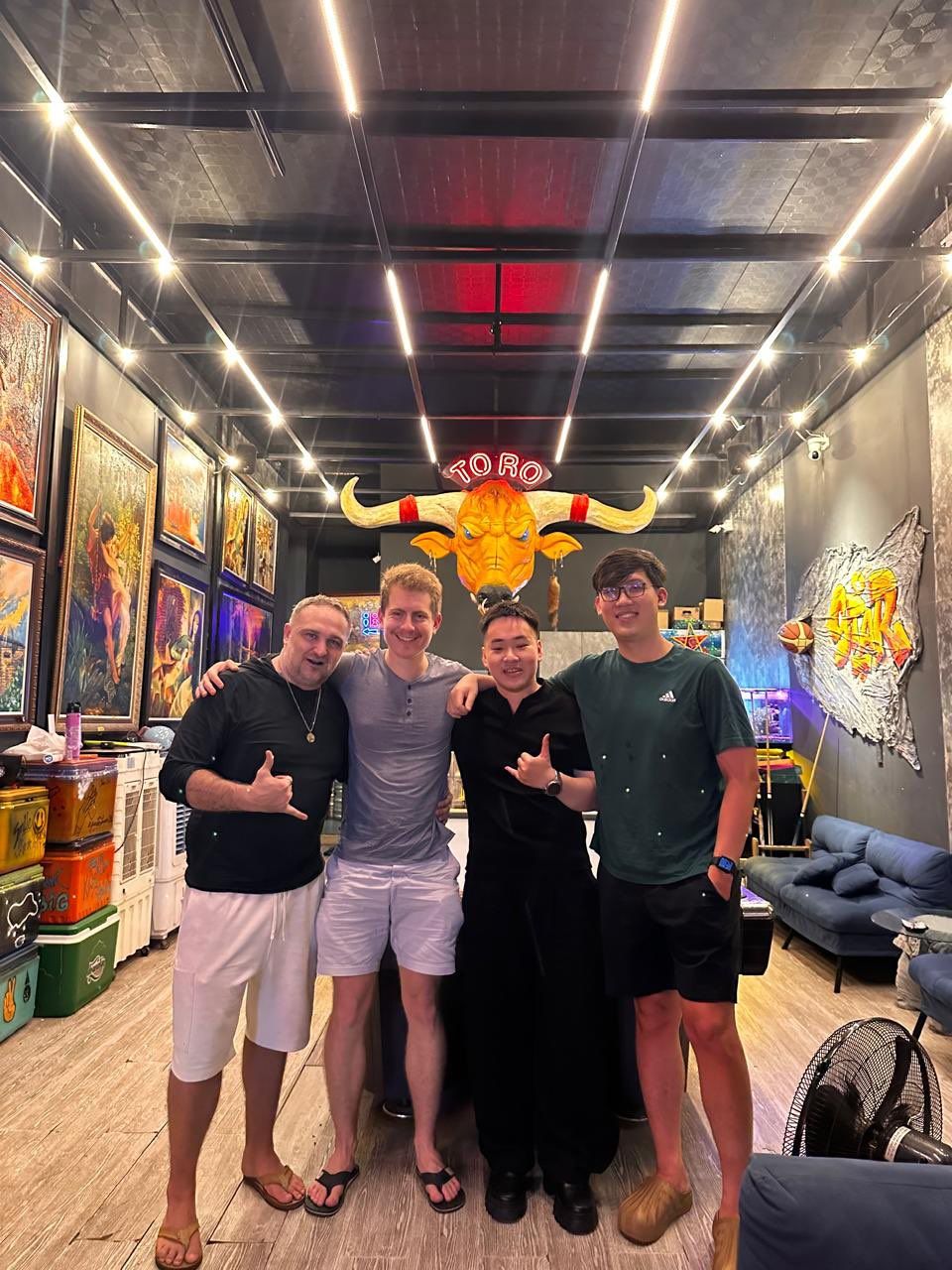 ## Hey Alex, what are you building, and what’s the revenue looking like right now?
I’m Alex, a 25-year-old solo indie developer from Vietnam. I quit my corporate job to focus entirely on B2C mobile apps. My flagship product right now is Feynman AI (formerly Notewave), a study tool for students and young professionals.
You upload your lecture recordings, podcasts, or dense PDFs, and the app uses AI to generate clean notes, mind maps, flashcards, and quizzes. The core hook is that it forces you to learn using the "Feynman Technique" simplifying complex topics so you actually retain the information.
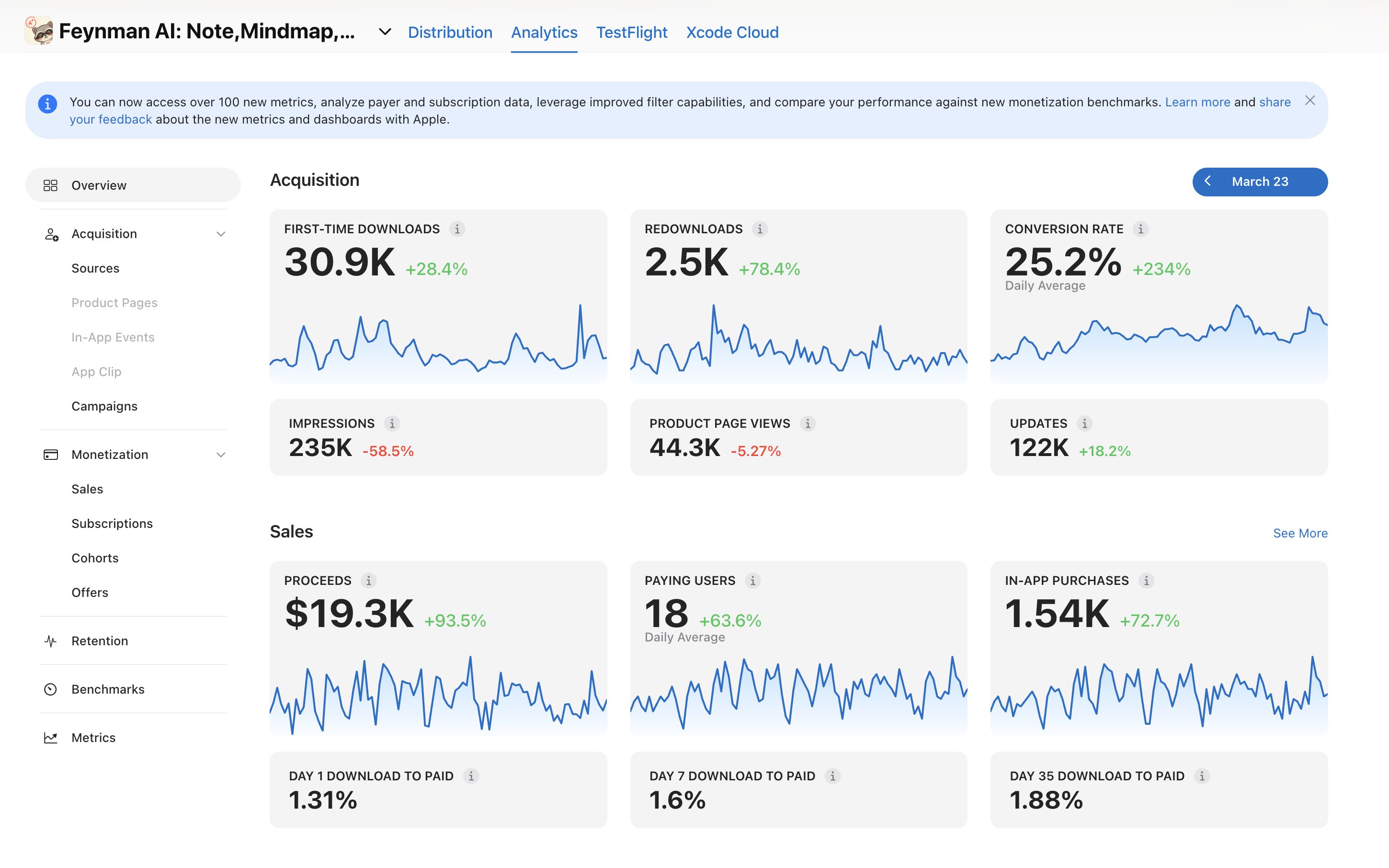
Right now, Feynman AI has about 370,000 users and brings in around $19,000 a month. I also have a second major app, MedDeep AI, which is a medical assistant for diagnostics and decision support. That one has about 20,000 users and makes $6,000 to $7,000 a month. In total, my April 2026 revenue hit $47.5K across my apps and other projects, with about $32K in pure profit.
Alex Nguyen
Founder · Feynman AI, MedDeep AI
 Vietnam
This story is compiled from public sources and presented in an interview format for a better reading experience.
Why B2C instead of B2B SaaS?
A lot of founders overcomplicate things. They think they need to invent a brand new B2B category, do months of customer discovery, and grind through enterprise sales cycles.
I look at 2026 as the era of the B2C mobile app. The distribution channels for consumer apps specifically TikTok and the App Store itself are massive and immediate. You don’t need a super unique idea to succeed. You just need to find a burning consumer pain point. For example, the idea for Feynman AI came from a friend studying abroad who struggled to follow native English lectures.
I saw that pain, built a web MVP in about a month, and then iterated on mobile apps based on what users asked for. Consumers will pay for utility if it solves their problem right away.
Let’s talk about building Feynman
 If you go on Reddit and post an AI app, you are immediately going to get comments saying, "Wrapper after wrapper after wrapper. Why not just use free ChatGPT or Gemini?"
And from a purely technical standpoint, they aren't wrong. The core intelligence is an LLM API. But consumers don't buy APIs; they buy workflows.
If a student uses ChatGPT, they have to upload the PDF, prompt it to summarize, prompt it again to make flashcards, copy-paste those flashcards into Quizlet, and format everything manually.
With Feynman AI, we wrapped the LLM into a specific, mobile-native experience. You hit record during a lecture. When you walk out, you immediately have a visual mind map, a structured study guide, and a 20-question active-recall quiz. It's about reducing the time-to-value to zero. Users just want their problem solved in one tap.
How did you get your first customers and scale so fast?
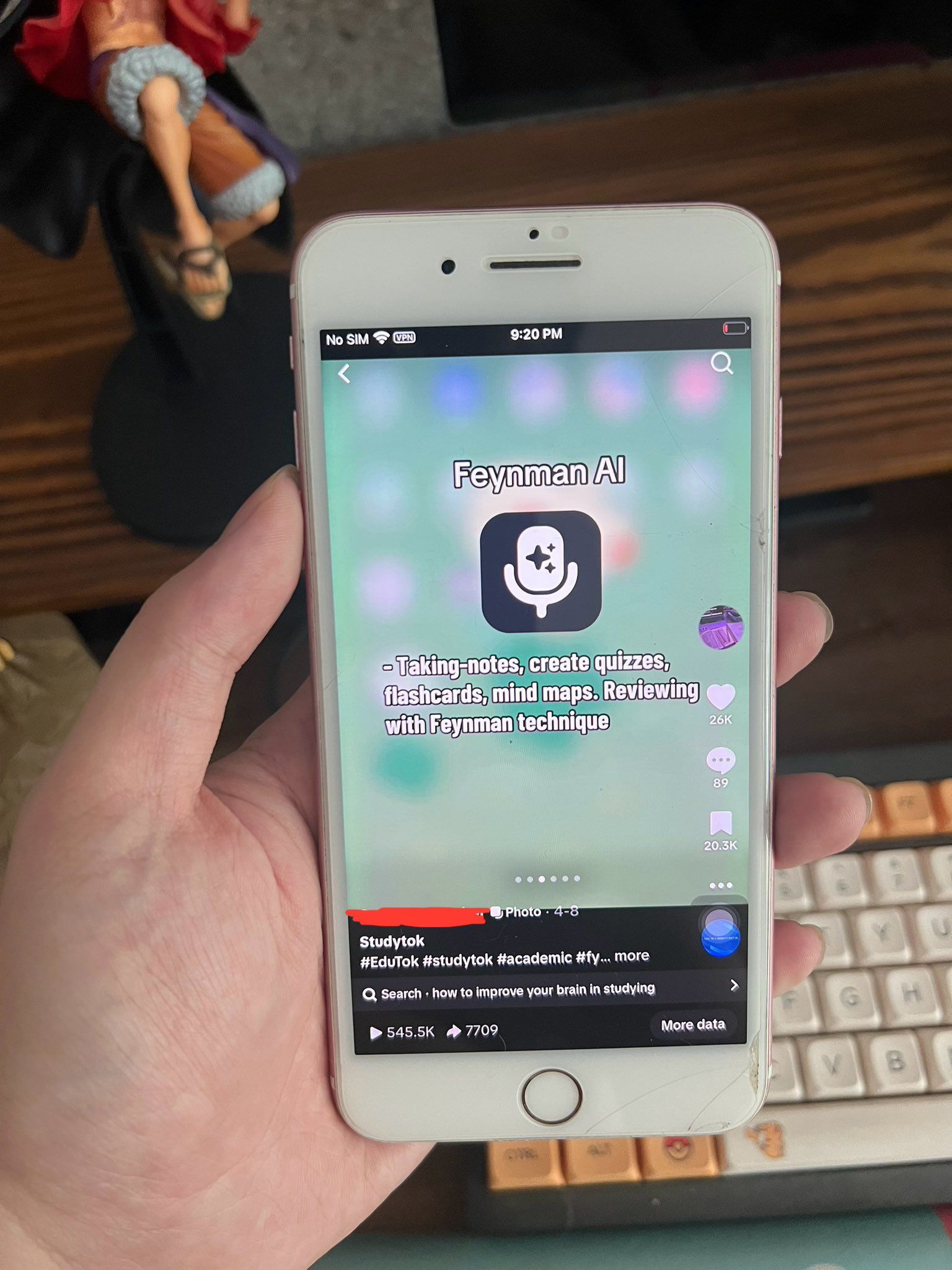 My first paying customer came about 20 days after launch. The secret was TikTok. TikTok is the greatest distribution channel in the world for mobile apps, but you have to treat it like a machine, not as art.
My strategy was simple: Volume over virality. I ran dozens of TikTok accounts, using AI to help generate ideas and draft scripts in my voice. I looked at what was already working like fast-paced slideshows or "study hack" videos and reverse-engineered them. We showed the pain (like messy notes) and then the satisfying result (clean mind maps from Feynman AI).
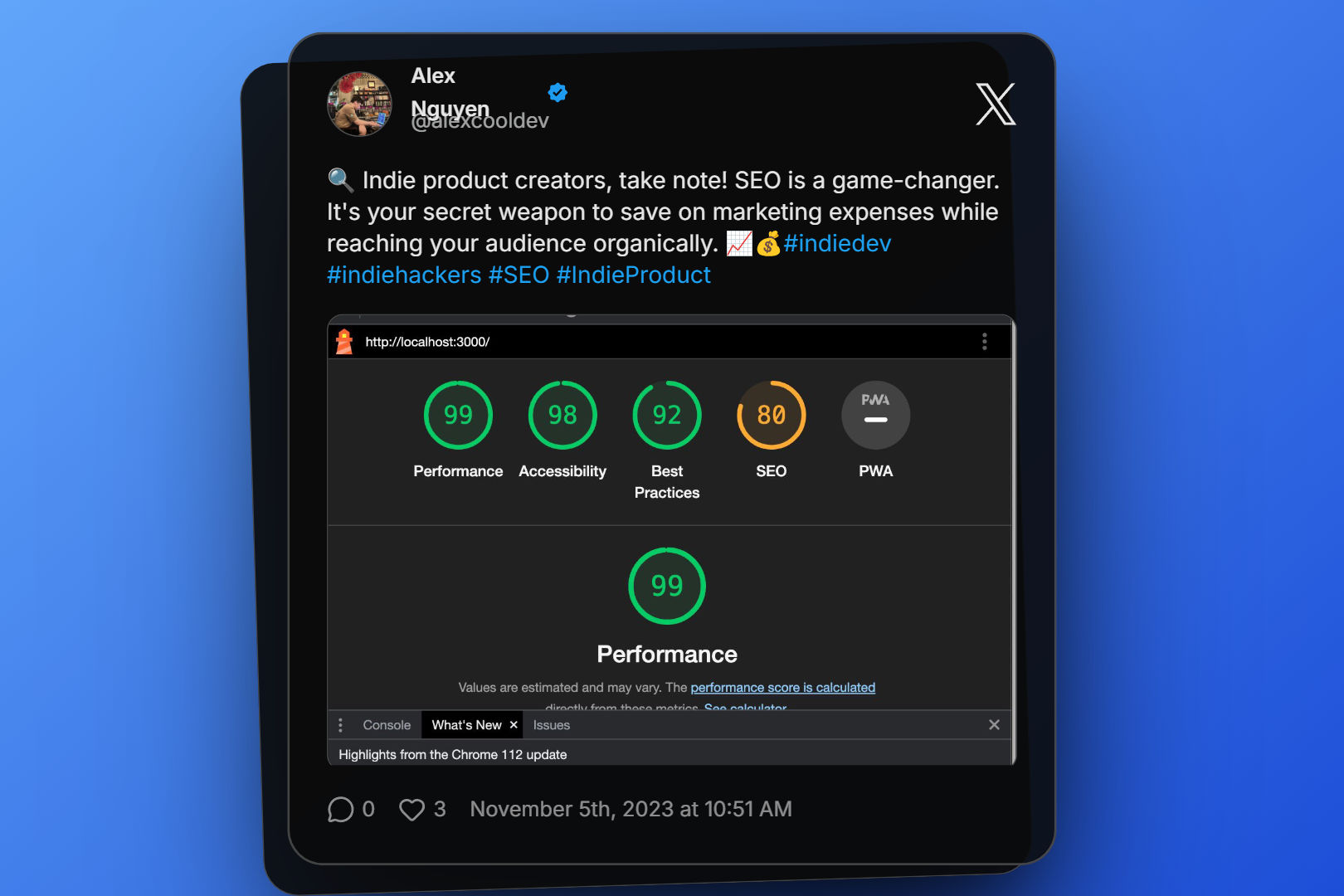
I also leaned heavily into ASO (App Store Optimization). When you have strong rankings, you get organic app impressions for free. And the TikTok traffic helped our web SEO, which brings in users who tend to stick around longer than mobile users.
Can you break down the "Chameleon" hack?
This is one of the most reliable hacks for consumer apps, but you have to be fast.
I have a secondary app in my portfolio which is just a solid AI photo editor. My strategy for it is pure trend-jacking. Whenever a massive tech giant drops a highly anticipated new AI image model, I immediately rename the app and update the keywords to match that model's name.
For example, when Google's Gemini 3.1 Flash Image model codenamed "Nano Banana" dropped, search volume for that term skyrocketed. I renamed my editor to Nano Banana. Because I had an established app with good metrics, I automatically hit the #1 spot for that keyword. It’s essentially infinite, free user acquisition.
How did you discover this, and how does it impact your revenue?
This was a wild realization. Logically, $20/month is vastly cheaper than $10/week ($40/month). But B2C purchasing decisions on mobile aren't logical; they are impulsive.
When a user is staring at a paywall, $10 physically looks like a smaller number than $20. The timeframe ("week" vs "month") is secondary to the absolute dollar amount they see.
By switching to a $10/week subscription model, my conversion rates went up. Not only did more people buy, but the Lifetime Value (LTV) of the customer doubled. Many users will forget to cancel for 3-4 weeks, meaning I extract $30-$40 from them instead of a single $20 monthly churn.
You recently revealed that 30% of your traffic now comes from LLMs . How did you engineer that?
This is what I call "LLM SEO," and it's replacing traditional Google SEO for indie hackers.
AI search engines answer user queries by scraping community sites, primarily Reddit. Over 90 days, I actively dropped 50+ high-quality, contextual comments across various subreddits (like r/studying, r/college) mentioning how Feynman AI solved specific problems. I didn't spam; I wrote detailed answers to people's questions and casually mentioned the app.
Because LLMs weigh Reddit heavily, those 50 comments became the training data for the AI's response. Now, when people ask chatbots for study tools, Feynman AI gets recommended directly by the AI.
What’s your tech stack for shipping these apps so fast? Are you coding everything from scratch?
 Speed is everything. I lean heavily on AI coding assistants like Claude Code. It allows me to operate like a 5-person engineering team.
The frontend is usually cross-platform (React Native or Flutter) so I can deploy to iOS and Android simultaneously. The backend relies on standardizing LLM APIs (OpenAI, Anthropic, Google Vertex AI) and tying them together.
What mistakes have you made along the way, and what is your ultimate goal?
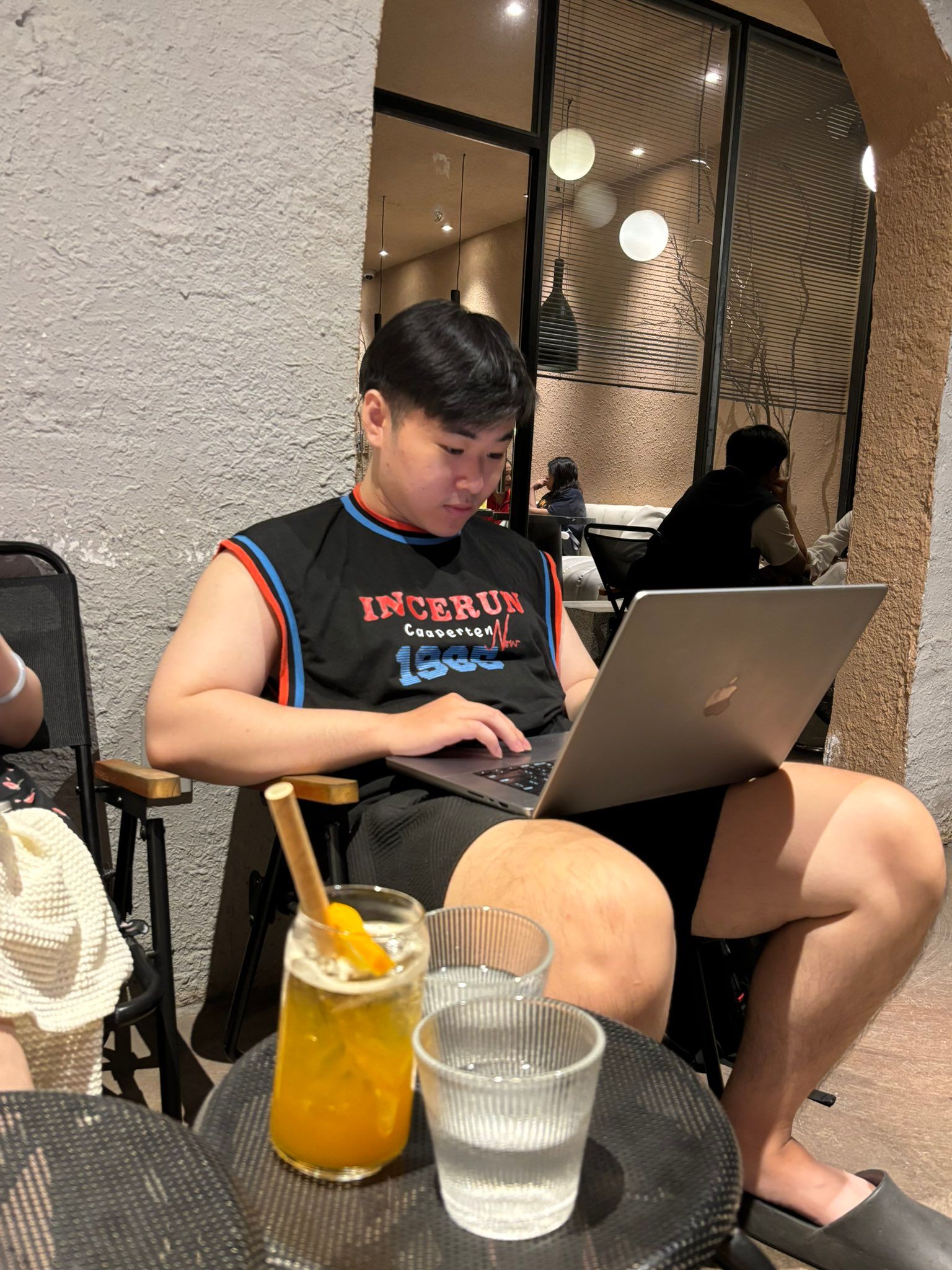 My core thesis is to build 10 apps, each hitting $5K+/month, and then automate them for semi-passive income. It reduces the risk compared to betting everything on one big app.
A big mistake early on was sharing my winning playbooks too openly too soon. I noticed people copying my content strategies. You have to protect your advantages.
But the biggest lesson is that distribution is more important than product perfection in the early stages. High margins (I keep about 92% profit before app store fees) give you the freedom to build without burning out.
If a founder reading this wants to launch a B2C mobile app this weekend, what is the exact playbook they should follow?
-
Find the Pain: Stop looking for a unique idea. Go to TikTok, search for "#studyhacks" or "#productivity", and see what people are going crazy over.
-
Build the Wrapper: Take an existing LLM and build a native UI that solves the pain point in one click.
-
Price for Impulse: Use weekly subscriptions. Keep the absolute dollar amount low at checkout.
-
Clone the Marketing: Download viral TikToks for your competitors, reverse-engineer them, and recreate them with your app. Post consistently across multiple accounts.
-
Jack the Trends: Update your App Store keywords the second a new buzzword drops to capture blind search volume.