This 5-Hour Side Project Made Over $90K With No Team

TL;DR: Meet Rodrigo Rocco, a solo indie hacker who built a $90K+ portfolio of niche tools like JobBoardSearch with zero ad spend. By spotting market gaps and using smart SEO, he grew a simple job directory into a profitable business generating $1,800 in monthly revenue. Read on to discover his exact strategies for getting free traffic using automated bots and long-tail keywords.
Hello! Who are you, and what are you currently building?
Hey there! I am Rodrigo Rocco, mostly known as Rod or @rrmdp on X (Twitter). I am a full-stack web developer and an indie hacker based in beautiful Mallorca, Spain.
I make a living by building small, useful software products on the internet. I don't have a boss, I don't have employees, and I run a portfolio of different projects.
My main product is JobBoardSearch.com. It is exactly what it sounds like: a search engine for job boards. There are thousands of niche job boards out there boards just for Web3, boards just for remote work, or boards just for 4-day work weeks. My site brings all of them into one single place so job seekers can easily find them.
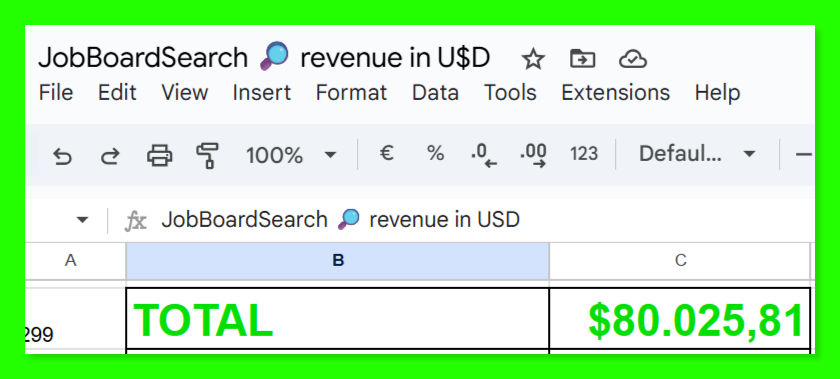
Since I launched it in 2022, JobBoardSearch has crossed $90,000 in lifetime revenue. Right now, my average Monthly Recurring Revenue (MRR) is around $1,800 per month.
But I don't just stop at one product. I like to build a "portfolio" of tools. For example, I recently launched a LinkedIn scraper Chrome extension. It automatically scans your LinkedIn feed and pulls out hidden job offers that match your skills. That simple extension quickly reached $2,400 in MRR.
I also run a few other fun and useful AI projects, like:
-
AIBuiltGames.com: A directory of games made entirely by artificial intelligence.
-
PropertyDescriptionAI.com: A tool that writes real estate listings for you.
-
ReviewReplyAI.com: An instant tool to help businesses reply to customer reviews.
-
VillasMediterranean.com: A niche site for booking luxury villas in Mallorca.
Everything I do is focused on building fast, keeping costs to zero, and solving exact problems people are talking about.
What’s your backstory, and how did you come up with these ideas?
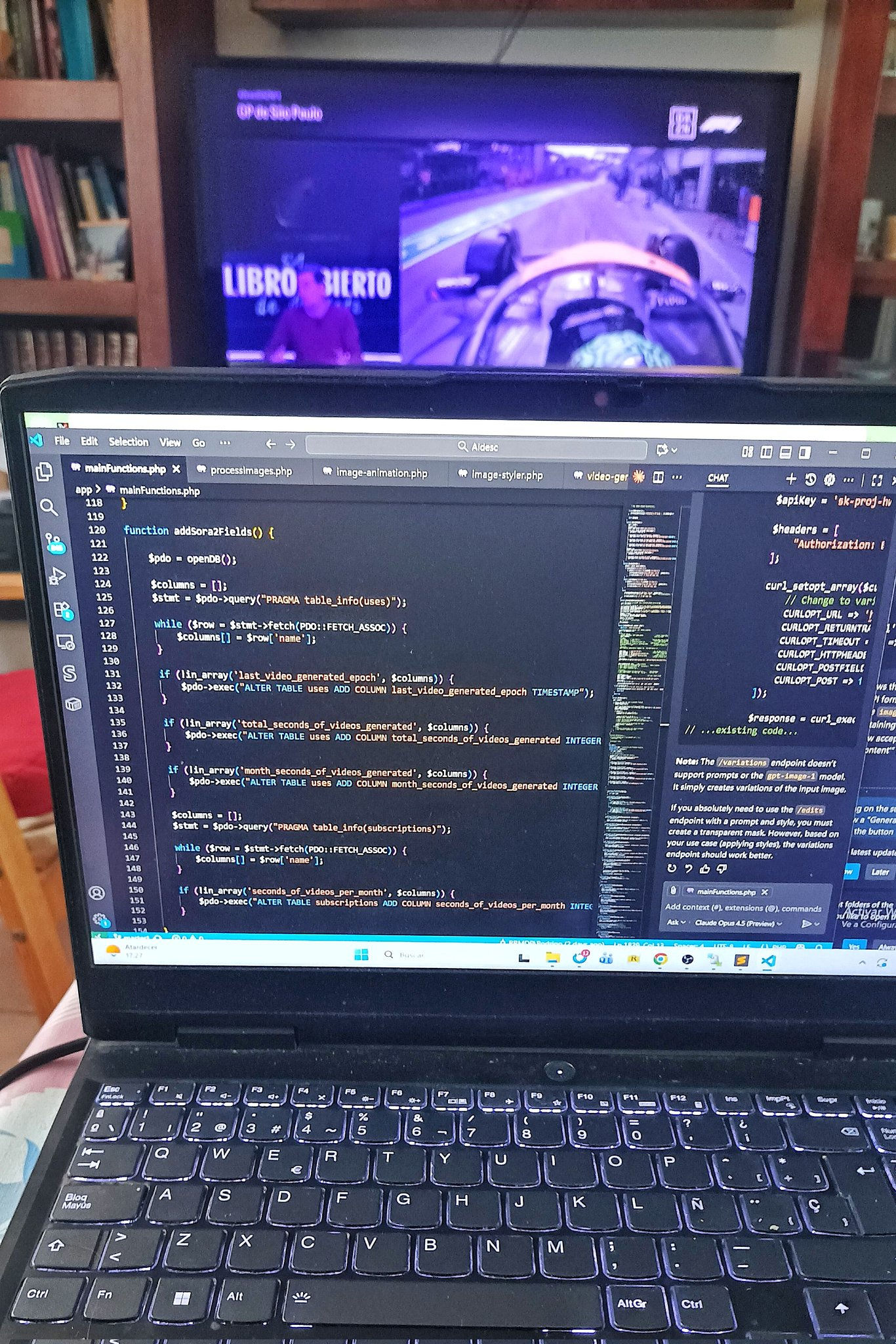 My story starts a long time ago. I actually started coding when I was just 12 years old. Back then, I was teaching myself a programming language called Clipper. From that moment, I knew I wanted to spend my life building things behind a screen.
When I got older, I went to university to study Computer Systems Engineering. I stayed there for four years, but I slowly realized that the traditional school route wasn't for me. I wanted to build real things, not just read textbooks. So, I made a tough choice: I dropped out.
I had no degree, but I had skills. To get my foot in the door, I made a bold move. I found an NGO (a non-profit organization) and offered to build their entire website for absolutely free. I had only one condition: I wanted to put my email address in the footer of their website.
That one little email link changed my life. A real estate company saw the website, liked my work, clicked my email, and hired me for my very first paid project. That taught me an early lesson: sometimes doing free work gets you the best exposure. I have spent the last 14+ years combining web development and the hospitality industry.
The "Aha" Moment for JobBoardSearch
The idea for my biggest product came from a moment of panic on the internet.
In early 2022, Stack Overflow (a massive website for coders) announced they were shutting down "Stack Overflow Jobs." This was a huge deal. Thousands of developers relied on that page to find work. Twitter and Reddit were full of developers panicking, asking: "Where do we look for niche tech jobs now?"
I saw this gap. It was a massive hole in the market. I realized there were hundreds of amazing, small job boards out there, but nobody knew how to find them. The idea hit me instantly: I need to build an aggregator of aggregators. A directory for job directories. I didn't spend months researching. I bought a domain name (stackoverflowjobsalternatives.com initially) and got to work immediately.
Take us through the process of building the first version of your product.
 Tech Stack: I am a huge believer in keeping things simple. When I built the first version of JobBoardSearch, I didn't use any fancy, complicated frameworks. I used the basics: PHP, HTML, CSS, and Vanilla JavaScript.
Why? Because plain HTML and PHP load instantly. A directory needs to be fast and easy to read. I focused entirely on the user experience. I added simple tags that people actually wanted, like [Relocation Support] or [4-Day Work Week].
Speed and Validation:
Here is the craziest part: I built the very first version of the site in just 5 hours. I didn't try to make it perfect. I just wanted to see if people would actually use it. This is how I validate all of my ideas now. If I can't build a working MVP (Minimum Viable Product) in a few days (or hours), the idea is too complicated.
Startup Costs:
My startup costs were practically $0.
-
Domain Name: ~$10 per year.
-
Hosting: I used a cheap, standard server I already paid for.
-
Marketing: $0.
Today, my tech stack has upgraded slightly because of Artificial Intelligence. When I recently built AIBuiltGames.com, I used Cursor (an AI code editor) alongside Claude and Grok. Because of AI, I was able to build that entire game directory from scratch in under 1 hour. The rules of building software have completely changed. If you have an idea, AI lets you build it today.
Describe the process of launching and getting your first customers.
 My launch strategy was entirely organic. I didn't spend a single penny on Facebook or Google ads.
The Launch:
Once my 5-hour build was done, I took it to Reddit and Twitter. Reddit can be very mean to people who just drop links and run away. So, I didn't act like a marketer. I acted like a fellow developer solving a problem. I posted something like: "Stack Overflow Jobs is dead, so I spent the night building a list of alternatives for us."
It exploded.
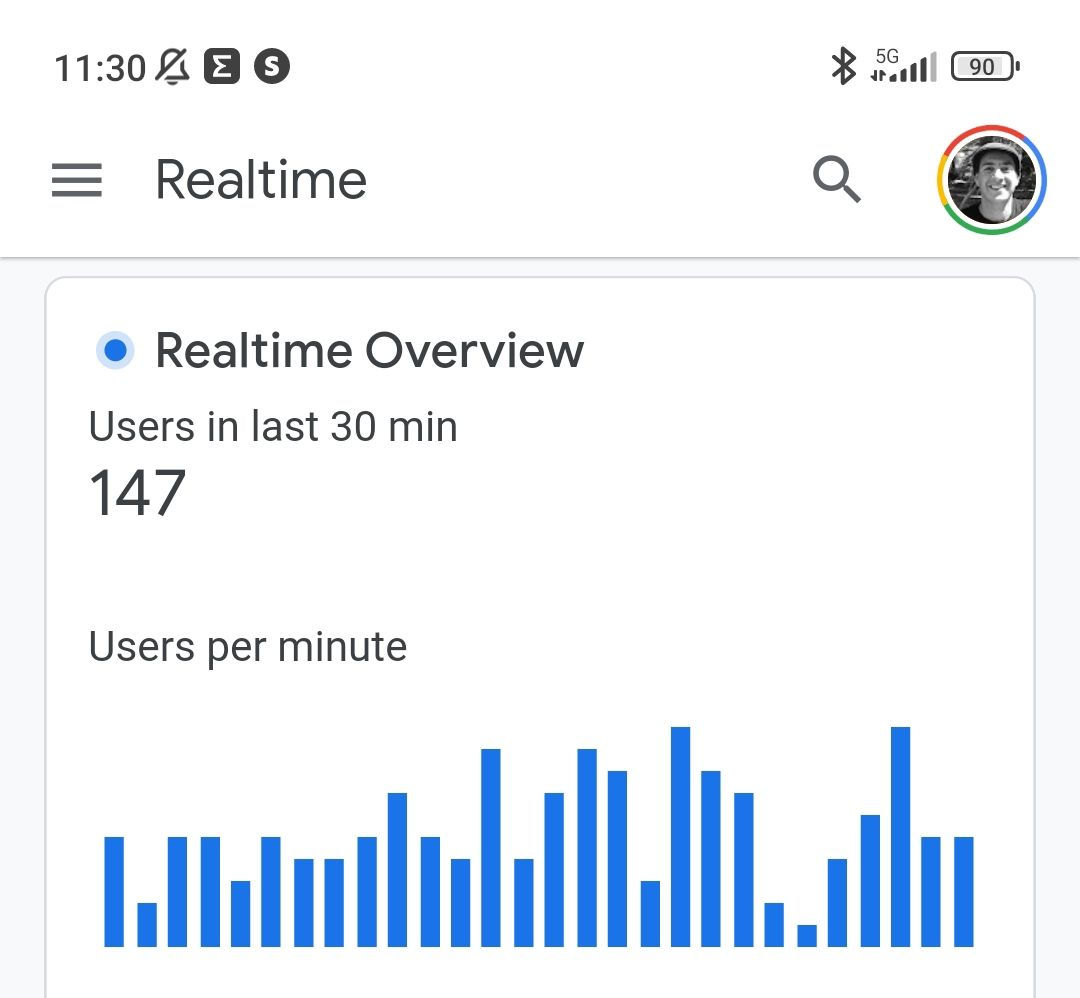
Because I solved a real problem at the exact right time, the community loved it. I got thousands of views in the first few days. It was the biggest rush of traffic I had ever seen.
Getting the First Customer:
Because I launched so fast, I didn't even have a payment page set up! I didn't have Stripe. I didn't have a pricing tier.
But suddenly, the owners of these niche job boards noticed I was sending them a lot of traffic. A founder found me on Twitter and sent me a Direct Message (DM). They said, "Hey, my job board is on page 3 of your site. How much money to put it at the very top of page 1?"
I made up a price on the spot. They said yes and sent me the money. That was my first customer. I literally shook hands in the DMs. I learned a massive lesson that day: Don't wait for automated billing to make money. If you have traffic and provide value, people will gladly pay you manually. Build the payment systems after the demand is proven.
What is your ongoing growth engine? How do you continuously attract customers?
 Over the years, I have built a growth engine that runs on code, not on ad dollars. I rely heavily on three main channels: SEO, Automated Bots, and Building in Public.
1. The Ultimate SEO Secret: Long-Tail Keywords
If you take away anything from this story, let it be this rule about SEO (Search Engine Optimization): Long-tail SEO compounds. Thousands of small keywords beat chasing huge keywords.
I never try to rank on Google for the word "Job Board." Big companies spend millions to rank for that word. Instead, I focus on tiny, highly specific searches. Things like "best job boards for remote web3 marketing" or "developer jobs with relocation to Spain."
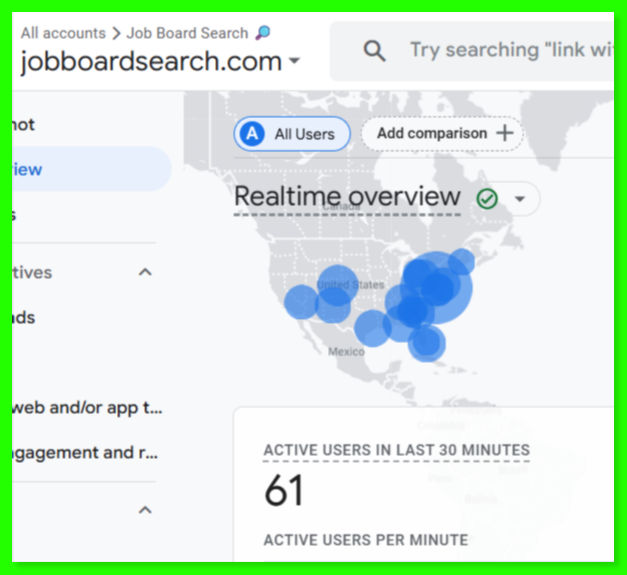
Because my site is a directory with over 500 different job boards, every single page acts as a magnet for these tiny keywords. One keyword might only bring 5 visitors a month. But when you have thousands of small keywords, they compound into massive, unstoppable, free daily traffic.
2. Automated Community Bots (My Best Growth Hack)
Instead of paying for ads, I outsourced my marketing to code.
-
The Subreddit: I created a subreddit called
r/jobboardsearch. Then, I built a bot that automatically posts interesting jobs into that subreddit every single hour. Today, that subreddit has grown to over 12.5k members. It runs by itself and sends traffic to my site all day. -
The Telegram Channel: I built a Telegram bot that sorts jobs into 50+ different categories. Job seekers love getting instant phone notifications for their specific niche. That Telegram group now has over 7,000 highly engaged members.
-
The Newsletter: I placed simple email capture forms on my site. I now have a newsletter with over 13,000+ subscribers. Every week, I send them top jobs and tips. It is a direct line to my audience that no algorithm can take away.
3. Building in Public
I share everything on my X (Twitter) account @rrmdp. I share my revenue, my traffic drops, my mistakes, and my wins. I currently have around 10,000 followers. This builds insane trust. When founders see my transparent MRR updates, they realize JobBoardSearch is a real business, which makes them want to buy a sponsorship.
What is your revenue model and pricing?
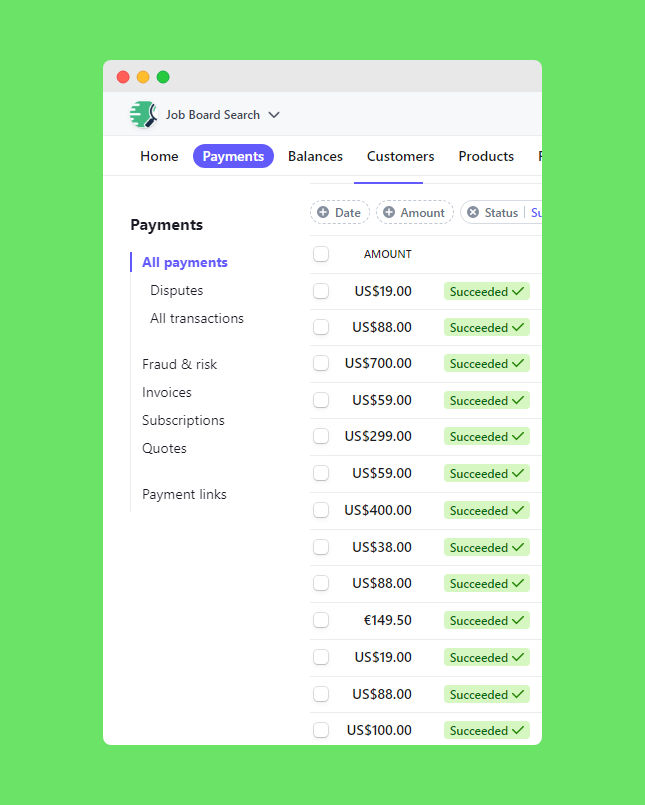 My business model is beautiful because it keeps the users happy while charging businesses. JobBoardSearch is 100% free for job seekers.
I make my money by charging the Job Board owners. My revenue comes from three main streams:
-
Subscription Upgrades: Any job board can submit their site to my directory for free. But, if they want to stand out, they pay a recurring monthly fee (MRR) to get a "Featured" badge or better placement in search results.
-
One-Off Sponsorships: Companies can pay a flat fee to own the top banner slot on the homepage for a week or a month.
-
B2B SEO Services: Since I own a powerful directory, I understand SEO. I charge job board owners a fee to submit their website to 100+ other directories on the internet. This helps their Google rankings immensely.
For my newer products, I use different models. For example, my LinkedIn Scraper Chrome Extension is a direct-to-consumer (B2C) product. Job seekers pay a flat €9.9/month to use the tool to find hidden jobs. It's cheap enough that anyone can afford it, but it scales quickly, which is how it hit $2,400 MRR so fast.
What are the biggest mistakes you've made or challenges you've faced?
Mistake #1: Overthinking Before Shipping
In the past, I wasted so much time trying to perfect a product before launching. I would spend weeks tweaking the CSS colors or building complex backend features that nobody ever used. JobBoardSearch taught me that speed is everything. Building it in 5 hours was the best thing I ever did. The market doesn't care about your perfect code; they care about solving their problem today.
Mistake #2: Engaging Poorly on Reddit
When my first Reddit post went viral, I got too excited. I started replying to every single comment with a link to my product. The Reddit moderators actually warned me that I was breaking the "10% self-promotion rule." I almost got banned. I learned a hard lesson: you have to engage authentically. Provide massive value first, and drop links second.
Through starting these businesses, what is the biggest "secret" or strategy you've learned?
Secret 1: Aggregate the Aggregators
Creating original content every single day is exhausting. Curating existing content is highly scalable. By building directories, my users create the value for me. I don't have to go out and find the jobs; the job board founders want my traffic, so they submit their sites to me. I just provide the digital real estate.
Secret 2: Ride the Wave of "Market Shocks"
The biggest opportunities come from sudden shifts in the world.
-
Stack Overflow shuts down? Market shock. Build an alternative instantly.
-
AI game tools go viral on Twitter? Market shock. Build a directory to organize them in 1 hour.
You don't need to invent the next Google. You just need to be the first person to offer an umbrella when it suddenly starts raining.
Secret 3: The Portfolio Approach
Don't bet your entire life on one single startup. As an indie hacker, you will fail often. By having a portfolio of small tools (like JobBoardSearch, the Chrome extension, AIBuiltGames), I spread my risk. If one product has a slow month, the other products carry the weight.
What advice do you have for other entrepreneurs who are just starting out?
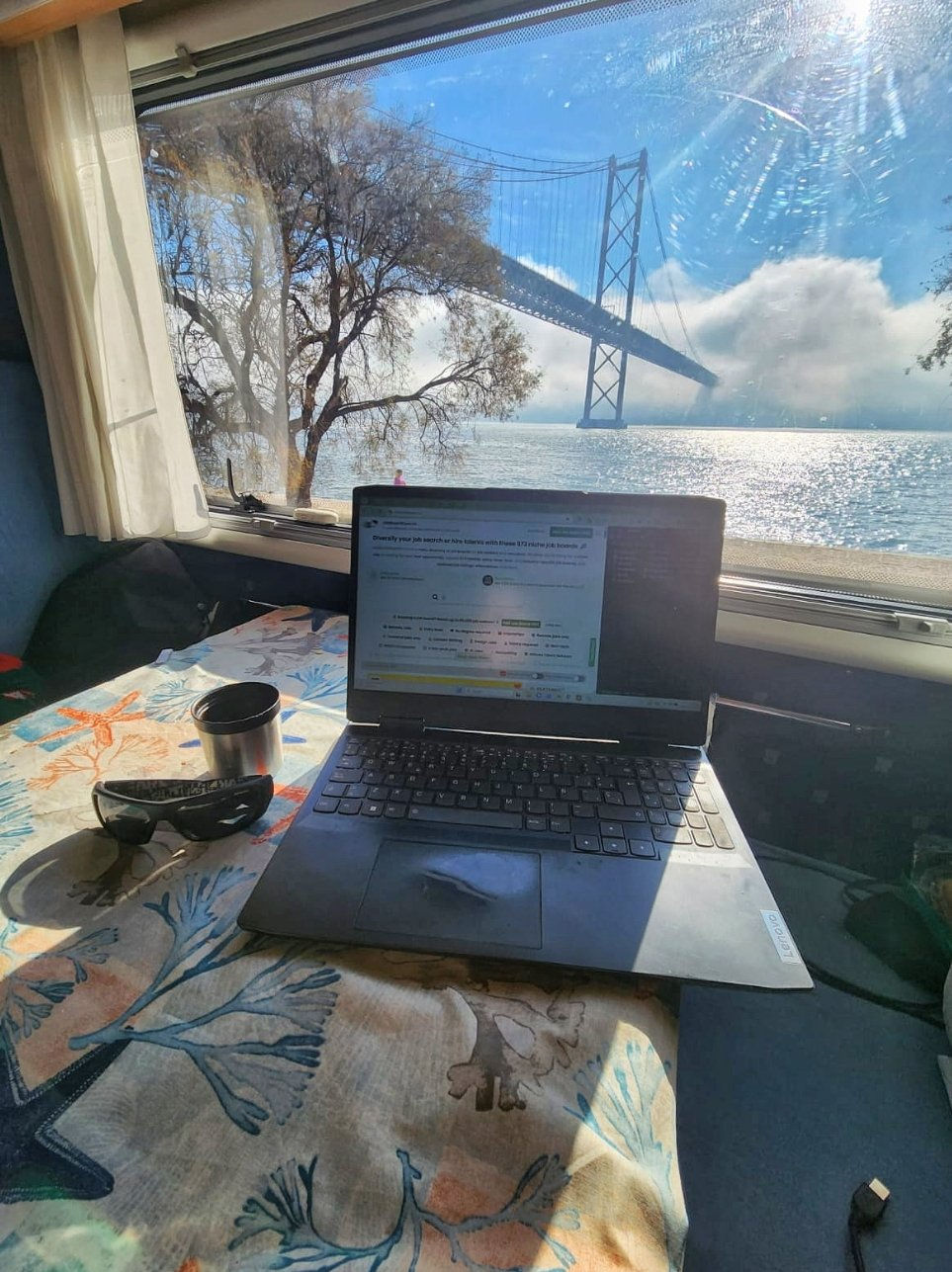 Speed is your absolute biggest advantage. You are a solo founder. You don't have millions of dollars or a team of 50 developers. But what you do have is the ability to move faster than any big corporation on earth. If you see a trend, you can launch a product by tomorrow morning. Use tools like Cursor and Claude to code faster.
Also, make friends in the community. The Indie Hacker community is incredibly supportive. My early success was thanks to other founders retweeting my stuff and giving me advice. Be kind, be transparent, and build in public.
Where can we go to learn more?
-
Twitter/X: Follow me @rrmdp to see my daily journey and MRR updates.
-
Job Directory: Check out the main product at JobBoardSearch.com.
-
AI Games Directory: See my 1-hour build at AIBuiltGames.com.
-
Real Estate Tools: PropertyDescriptionAI.com and VillasMediterranean.com.
Keep building, and don't forget to launch!
Rodrigo Rocco
Founder · JobBoardSearch
 Spain
Spain